Exhaust Pipe Replacement Guide: Signs You Need a New Pipe
An exhaust pipe is a critical part of the vehicle exhaust system, carrying exhaust gases away from the engine while helping maintain proper flow through the system. Because it operates underneath the vehicle, the pipe is continually exposed to heat, moisture, road salt, vibration, and external impact.
Over time, these conditions can lead to corrosion, cracks, leaks, deformation, or connection problems. Some exhaust pipe damage develops gradually, while other problems may appear suddenly after road impact or component failure.
An exhaust pipe replacement becomes necessary when the existing pipe can no longer provide reliable sealing, structural strength, or correct fitment. Before selecting a replacement, it is important to identify the type of damage and determine whether the problem affects only one section or the wider exhaust system.
A replacement exhaust pipe should be selected according to:
- Vehicle model and exhaust layout
- Pipe diameter and dimensions
- Material and corrosion resistance
- Connection and mounting requirements
- Operating environment and intended use
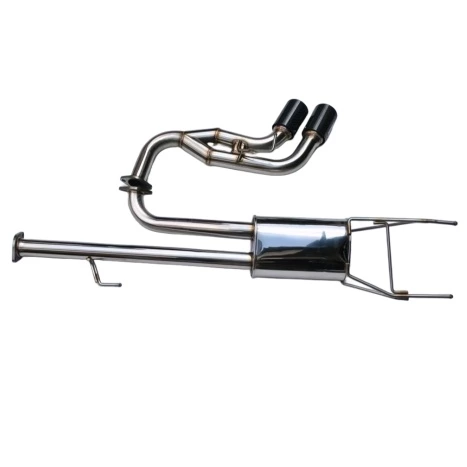
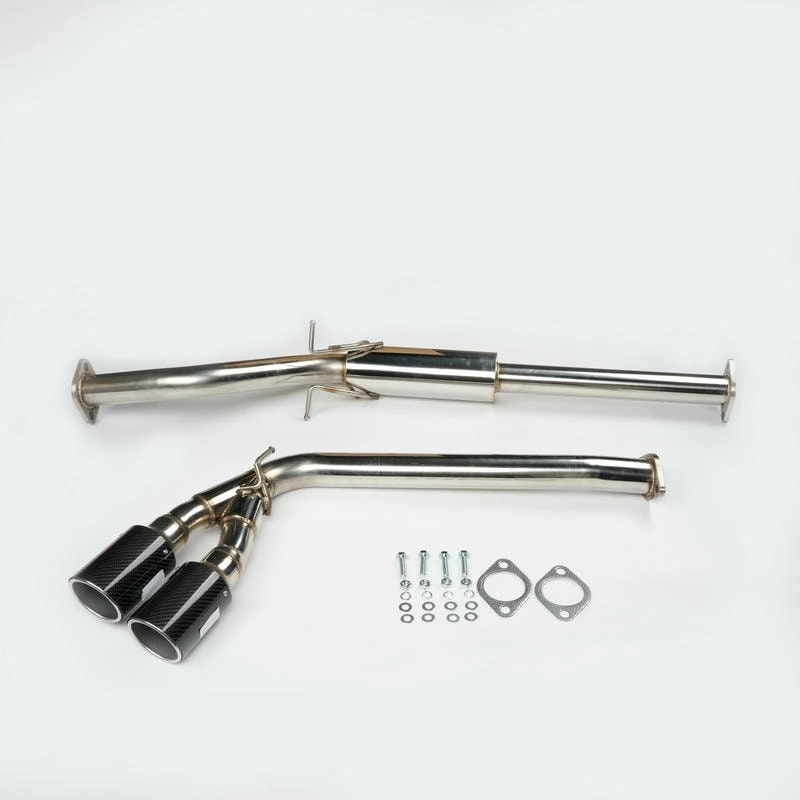
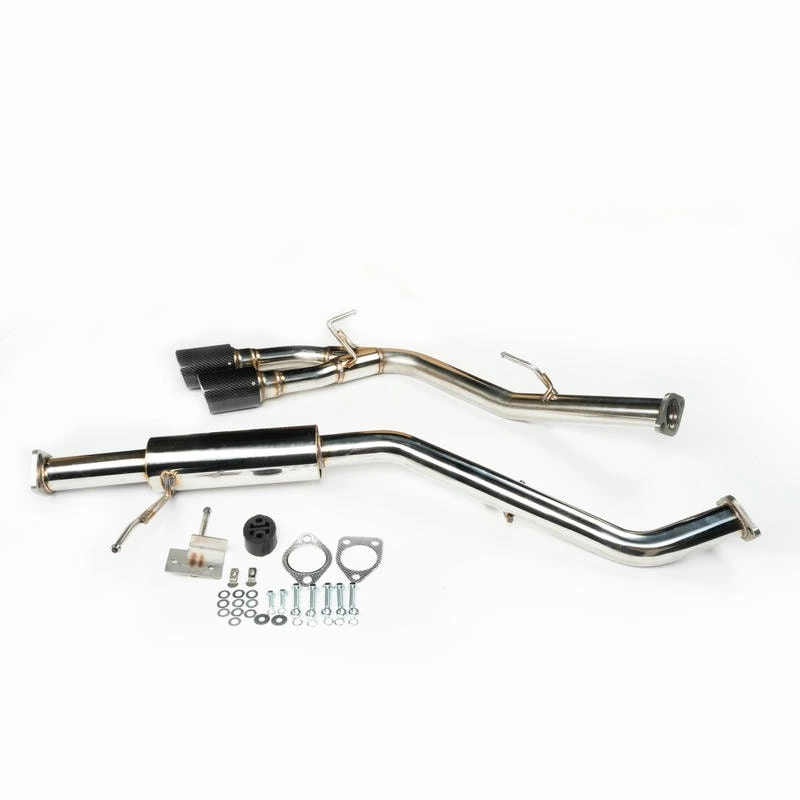
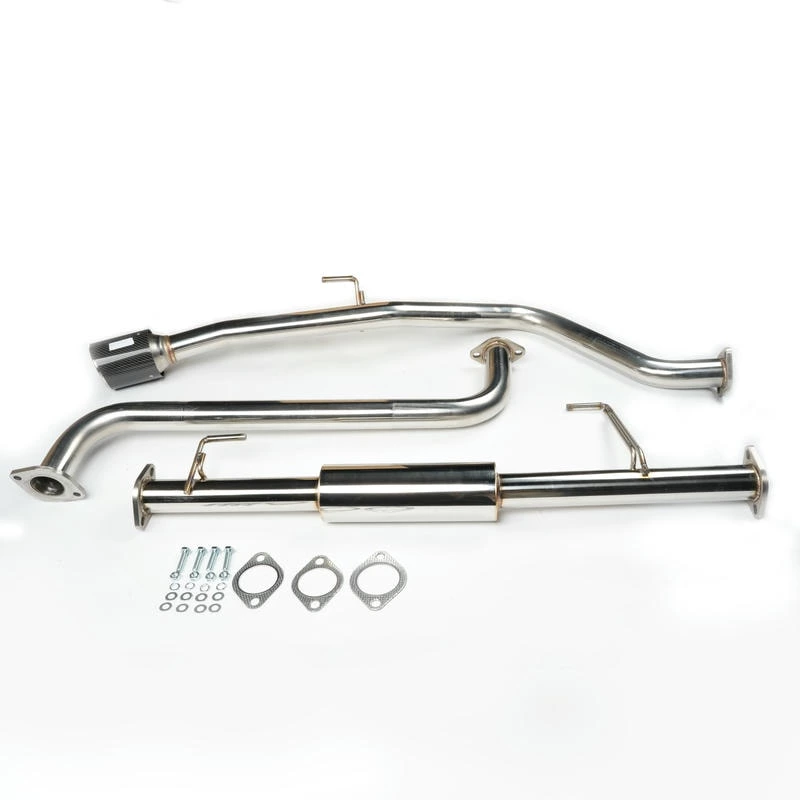
AOSU provides replacement exhaust pipe solutions for different vehicle applications, including OEM replacement and customized exhaust projects.
Signs Your Exhaust Pipe Needs Replacement
Exhaust pipe problems do not always mean the entire exhaust system needs to be replaced. The key is to identify whether the damage is superficial or whether it has started to affect pipe strength, sealing, exhaust flow, or installation stability.
The following warning signs deserve particular attention.
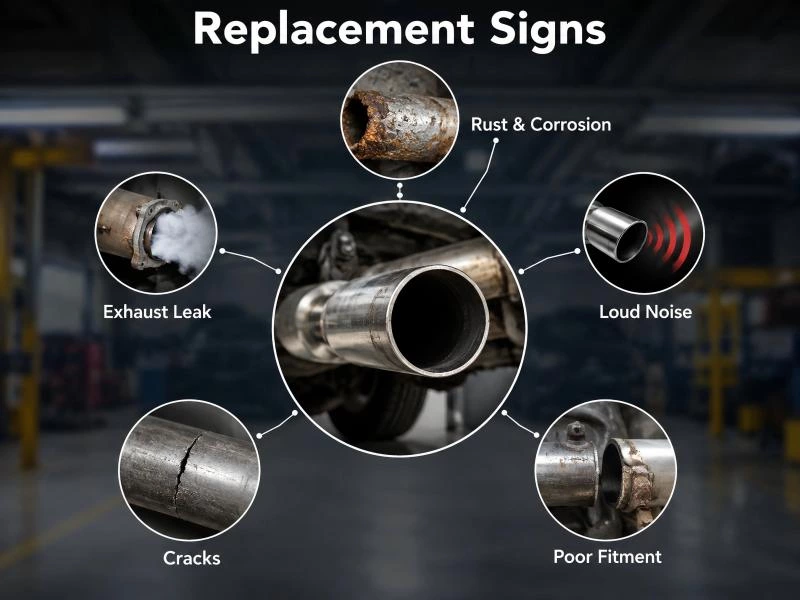
Visible Rust and Corrosion
Rust is one of the most common exhaust pipe problems. Water, road spray, salt, and condensation can gradually attack the pipe surface, especially when the material has limited corrosion resistance.
Light surface discoloration alone does not always require immediate replacement. More serious warning signs include:
- Deep rust around welds or joints
- Flaking or thinning metal
- Small corrosion holes
- Sections that have lost structural strength
Once corrosion penetrates the pipe wall, repairs may provide only a temporary solution. A properly matched replacement exhaust pipe is often more reliable for long-term use.
Exhaust Leaks or Unusual Smells
Cracks, corrosion holes, damaged welds, or loose connections can allow exhaust gases to escape before they reach the tailpipe. Depending on the location of the leak, drivers may notice changes in sound or unusual exhaust smells around the vehicle.
Common signs of an exhaust pipe leak:
- Hissing or escaping-gas sounds
- Noticeably louder exhaust noise
- Visible cracks or damaged joints
- Unusual exhaust smell near the vehicle
Changes in Exhaust Noise
A sudden increase in exhaust volume, rattling, metallic vibration, or an abnormal tone can indicate that part of the exhaust system has become damaged or loose.
Possible causes include cracked pipe sections, corrosion holes, broken welds, loose brackets, or poor alignment. A louder exhaust should not automatically be interpreted as improved performance; when the change is caused by damage, it usually indicates that inspection is required.
Physical Damage and Poor Fitment
Because exhaust pipes sit close to the road surface, they can be damaged by stones, uneven roads, obstacles, or off-road driving. A bent or dented pipe may affect routing, ground clearance, or connection alignment.
Fitment problems can also develop when a replacement part has incorrect dimensions or mounting positions. Misalignment may place additional stress on flanges, welds, hangers, and connected exhaust components.
Reduced Exhaust Flow or Vehicle Response
Exhaust pipe damage does not always cause a noticeable performance problem, but severe deformation or internal restriction can interfere with normal exhaust flow. In these situations, the vehicle may feel less responsive or the exhaust system may operate differently from normal.
The cause should be confirmed before replacing parts, because similar symptoms may also originate elsewhere in the exhaust system.
| Warning Sign | Possible Problem | What to Check |
|---|---|---|
| Heavy rust or holes | Advanced corrosion | Pipe wall thickness and structural condition |
| Hissing or exhaust smell | Leak or damaged joint | Welds, connections, and pipe surface |
| Loud or rattling noise | Crack, loose connection, or damaged mount | Pipe structure and mounting points |
| Dent or deformation | Road impact | Routing, clearance, and exhaust flow |
| Poor alignment | Incorrect fitment | Dimensions, bends, flanges, and hangers |
When several of these signs appear together, replacement is often more appropriate than repeated temporary repairs. The next step is understanding why exhaust pipes fail, because the cause of the original damage should influence the material and design of the replacement pipe.
Common Causes of Exhaust Pipe Damage
Exhaust pipe damage usually develops from a combination of environmental exposure, temperature changes, road conditions, and installation stress. Identifying the cause is important because the same problem may occur again if the replacement pipe uses unsuitable materials or does not match the vehicle correctly.
Four common causes of exhaust pipe failure:
- Corrosion caused by moisture, road salt, and environmental exposure
- Thermal stress from repeated heating and cooling cycles
- Physical damage caused by road impact or harsh driving conditions
- Poor fitment, incorrect dimensions, or unsuitable connection design
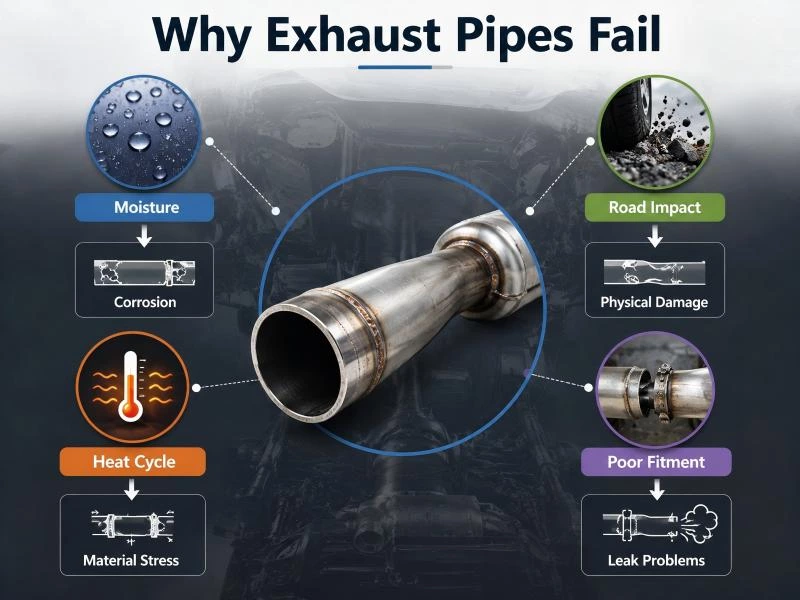
Corrosion Is One of the Most Common Causes
Exhaust pipes operate in a location that is frequently exposed to rain, humidity, road spray, and salt. Moisture can also develop inside the exhaust system through condensation, creating additional corrosion risk from both the outside and inside of the pipe.
As corrosion progresses, the pipe wall may become thinner and weaker. Small rust spots can eventually develop into holes or damaged sections, increasing the likelihood of exhaust leaks and structural failure.
For vehicles used in coastal regions, high-humidity environments, or areas where road salt is common, corrosion resistance should be an important consideration when selecting a replacement exhaust pipe.
Repeated Heat Cycles Create Material Stress
Every driving cycle subjects the exhaust pipe to substantial temperature changes. The pipe heats and expands when exhaust gases pass through the system, then cools and contracts after the engine is switched off.
Heating → Expansion → Cooling → Contraction → Repeated Material Stress
Over time, these repeated cycles can place additional stress on welds, bends, flanges, and connection points. Material quality and manufacturing consistency therefore play an important role in long-term exhaust pipe durability.
Road Conditions Can Cause Direct Physical Damage
Low-mounted exhaust components are vulnerable to stones, road debris, uneven surfaces, speed bumps, and off-road obstacles. Direct impact may create dents, bent sections, cracks, or damaged mounting points.
A severely deformed pipe can also change the original exhaust routing or reduce clearance around surrounding components. In these situations, replacing the damaged section may be more reliable than attempting to restore the original shape.
Poor Fitment Can Lead to Premature Failure
Not all exhaust pipe failures are caused by age or corrosion. Incorrect pipe dimensions, unsuitable bending angles, misaligned flanges, or poorly positioned hangers can place unnecessary stress on the exhaust system.
Continuous vibration or forced alignment may eventually contribute to loose connections, cracked welds, or exhaust leaks. This is why replacement exhaust pipes should be matched to the specific vehicle application rather than selected only by general pipe size.
| Damage Cause | Typical Result | Replacement Consideration |
|---|---|---|
| Moisture & Road Salt | Rust, thinning metal, holes | Choose better corrosion resistance |
| Heat Cycles | Material fatigue or cracking | Consider heat-resistant materials and reliable welding |
| Road Impact | Dents, deformation, damaged mounts | Check routing and vehicle clearance |
| Poor Fitment | Leaks, vibration, connection stress | Confirm dimensions, bends, flanges, and hangers |
How to Choose a Replacement Exhaust Pipe
Once replacement is necessary, choosing the correct pipe becomes just as important as identifying the original damage. A replacement exhaust pipe should match the vehicle structure while providing suitable durability, exhaust flow, and installation compatibility.
Instead of selecting a pipe based only on appearance, use the following factors to narrow down the right solution.
Step 1: Confirm the Vehicle Application
Start with the vehicle model, production year, engine configuration, and original exhaust layout. These details determine pipe routing, flange positions, hanger locations, overall length, and available installation space.
Two pipes may look similar but still use different bends or connection points. Correct vehicle matching reduces the risk of installation modifications and alignment problems.
AOSU supports vehicle-specific applications including Honda exhaust solutions, Isuzu exhaust solutions, as well as exhaust components developed for other vehicle platforms.
Step 2: Select the Appropriate Material
Material selection should reflect the operating environment and expected service life of the vehicle. For replacement applications, two common considerations are stainless steel and mild steel.
| Material | Main Advantage | Typical Consideration |
|---|---|---|
| Stainless Steel | Higher corrosion resistance and heat durability | Suitable for long-term use and demanding environments |
| Mild Steel | Lower initial material cost | Suitable where cost is a primary consideration |
For vehicles frequently exposed to moisture, road salt, or harsh environmental conditions, stainless steel may provide better long-term durability.
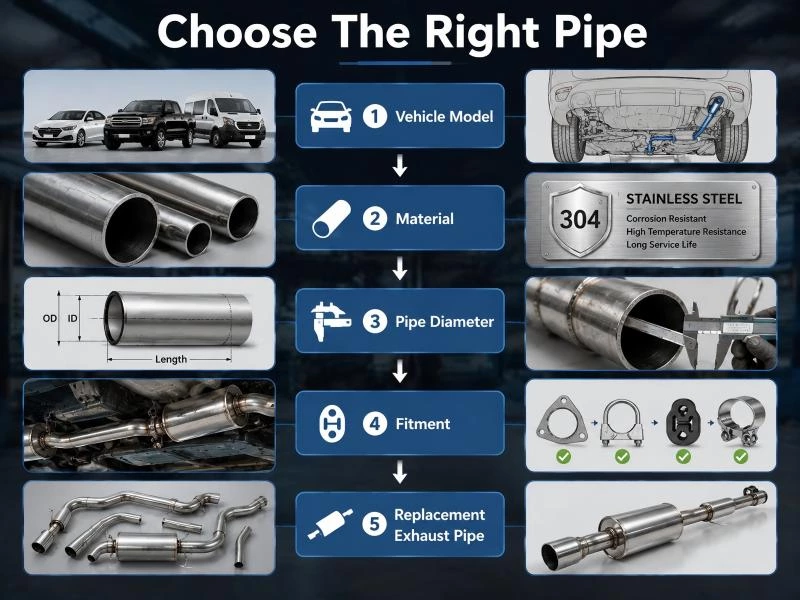
Step 3: Confirm Pipe Diameter and Dimensions
Pipe diameter affects both compatibility and exhaust flow. The replacement pipe should match the requirements of the engine and the complete exhaust system rather than simply using a larger diameter.
Important measurements include:
- Outside and inside diameter
- Overall pipe length
- Bending positions and angles
- Flange dimensions
- Connection and hanger locations
A pipe that is too small may create unnecessary restriction, while an oversized pipe may change exhaust gas velocity and overall system balance. For more detail, see our exhaust pipe diameter guide.
Step 4: Decide Between OEM Replacement and Custom Design
Replacement requirements generally fall into two categories. Some projects need a direct replacement that follows the original vehicle specifications, while others require a customized solution because of special dimensions, vehicle modifications, or project requirements.
OEM Replacement
Best suited to applications where the new exhaust pipe needs to follow the original dimensions, routing, mounting points, and connection design.
Custom Exhaust Pipe
Suitable when the pipe needs to be developed from drawings, samples, dimensions, vehicle data, or other specific application requirements.
Step 5: Check Manufacturing and Fitment Quality
Material and dimensions alone do not determine exhaust pipe quality. Accurate bending, stable welding, correct flange positions, and consistent mounting points all influence whether the replacement component installs correctly.
- Check bending accuracy and pipe routing
- Confirm flange and connection positions
- Verify hanger and mounting locations
- Inspect welding consistency
- Confirm compatibility with surrounding exhaust components
AOSU provides replacement exhaust pipe solutions for OEM and customized automotive applications, with support for vehicle specifications, materials, dimensions, bending requirements, and production needs.
Why Choose Stainless Steel for a Replacement Exhaust Pipe?
When an old exhaust pipe fails because of corrosion, heat exposure, or long-term wear, replacing it with the same type of material may eventually lead to similar problems. For applications where durability is important, stainless steel offers a practical upgrade for a replacement exhaust pipe.
Its main value is not simply a cleaner appearance. Stainless steel is better suited to environments where exhaust components must withstand moisture, road salt, repeated temperature changes, and continuous vehicle operation.
What Changes After Replacing an Old Pipe with Stainless Steel?
| Old Exhaust Pipe Problem | Stainless Steel Replacement Value |
|---|---|
| Rust and surface deterioration | Improved resistance to moisture and corrosion |
| Weak or thinning pipe structure | Better long-term structural durability |
| Frequent exposure to heat cycles | Stable performance under repeated temperature changes |
| Short replacement intervals | Potentially longer service life in suitable applications |
Better Resistance to the Conditions That Cause Exhaust Failure
Corrosion is one of the most common reasons exhaust pipes need replacement. Water, road salt, condensation, and environmental contaminants can gradually weaken conventional steel components.
Stainless steel provides greater resistance to these conditions, making it particularly useful for vehicles operating in humid climates, coastal areas, winter road environments, or other applications where corrosion is a recurring concern.
Stable Performance During Repeated Heating and Cooling
Exhaust pipes regularly move between relatively low temperatures and very hot operating conditions. This repeated thermal cycling places stress on the pipe, welds, bends, and connection areas.
A suitable stainless steel grade can provide good mechanical stability under these changing temperatures, helping the replacement component maintain its structure during long-term vehicle operation.
Stainless steel replacement pipes are especially worth considering when:
- The original pipe failed because of serious corrosion
- The vehicle operates in a wet or salt-exposed environment
- Long-term durability is more important than the lowest initial cost
- The project requires OEM or vehicle-specific exhaust components
Material alone, however, does not determine the quality of an exhaust replacement. A stainless steel pipe with incorrect dimensions or poor fitment can still create installation and reliability problems. The next step is making sure the replacement component fits the vehicle correctly.
Replacement Exhaust Pipe Installation Considerations
A replacement exhaust pipe should follow the original vehicle layout without creating unnecessary stress on surrounding components. Accurate dimensions, routing, connections, and mounting positions all affect whether the pipe can be installed correctly and operate reliably.
Start with Dimensional Accuracy
Pipe length and diameter are only part of the fitment requirements. The location of bends, flanges, joints, and hangers can be equally important.
Key dimensions to confirm before installation:
- Overall pipe length
- Outside and inside diameter
- Bend angle and bend position
- Flange dimensions and orientation
- Hanger and mounting locations
Check Routing and Vehicle Clearance
Automotive exhaust systems often follow complex paths underneath the vehicle. The replacement pipe must maintain suitable clearance from the chassis, suspension, body panels, heat-sensitive parts, and other exhaust components.
Incorrect routing can cause contact, vibration, unwanted noise, or stress on connection points. This is why vehicle-specific bending accuracy is important for both OEM replacement and customized exhaust applications.
Connection Design Must Match the Existing System
Different exhaust systems may use flanges, clamps, slip joints, welded connections, or other joining methods. The replacement pipe must match the existing connection design to achieve proper alignment and sealing.
| Fitment Check | Why It Matters |
|---|---|
| Pipe dimensions | Ensures compatibility with the existing exhaust layout |
| Bending accuracy | Maintains correct routing and surrounding clearance |
| Flange / joint position | Supports alignment and proper sealing |
| Hanger location | Helps control movement and vibration |
| Welding quality | Supports structural strength and leak resistance |
Do Not Ignore Welding and Structural Quality
Welds are exposed to vibration and temperature changes throughout the life of the exhaust system. Inconsistent welding or weak joints may lead to leakage, cracking, or premature component failure.
For replacement and OEM exhaust projects, manufacturing consistency should therefore be evaluated together with material quality. Proper bending, welding, dimensional control, and inspection help ensure that each exhaust pipe matches the required specification.
Before Confirming a Replacement Pipe
Verify the vehicle application, pipe dimensions, routing, connection method, material, and mounting positions together. A replacement that matches all of these factors is more likely to provide reliable installation than one selected only by diameter or appearance.
AOSU develops replacement and customized exhaust pipe solutions according to vehicle specifications, drawings, samples, and application requirements, helping support consistent fitment for different automotive projects.
FAQ About Exhaust Pipe Replacement
How do I know if my exhaust pipe needs replacement?
Common warning signs include severe rust, corrosion holes, exhaust leaks, unusual noise, cracks, dents, or poor fitment. Surface discoloration alone may not require immediate replacement, but structural weakness or leakage usually indicates that the damaged section needs closer inspection.
How long does an exhaust pipe usually last?
There is no fixed service life for every exhaust pipe. Durability depends on material quality, vehicle use, climate, road salt exposure, driving conditions, and manufacturing quality. Vehicles operating in wet, coastal, or harsh environments may experience faster corrosion.
Can a rusty exhaust pipe be repaired instead of replaced?
Minor surface rust can sometimes be monitored or treated without replacing the pipe. Once corrosion causes holes, severe thinning, cracking, or structural weakness, replacement is generally a more reliable long-term option than repeated temporary repairs.
Is stainless steel better for a replacement exhaust pipe?
Stainless steel is often selected for replacement applications because it offers good corrosion resistance, heat durability, and long-term reliability. It can be particularly useful when the original pipe failed because of moisture, road salt, or environmental exposure.
The best material still depends on the vehicle, operating conditions, budget, and expected service life.
Can replacement exhaust pipes be customized?
Yes. Replacement exhaust pipes can be developed according to vehicle models, drawings, samples, dimensions, pipe diameter, bend locations, flange positions, hanger locations, and other installation requirements.
Custom production is especially useful for OEM projects, special vehicle applications, or situations where a standard replacement pipe does not match the required layout.
What should I check before buying a replacement exhaust pipe?
- Vehicle compatibility: model, year, engine, and exhaust layout
- Dimensions: pipe diameter, length, bends, and connection positions
- Material: corrosion resistance, heat performance, and expected service life
- Fitment: flanges, joints, hangers, and surrounding clearance
- Application: OEM replacement or customized exhaust requirements
Conclusion
Exhaust pipe replacement should solve both the visible damage and the conditions that caused the problem. Severe corrosion, leaks, unusual noise, physical deformation, and poor fitment are common reasons for replacement, but selecting the correct new pipe is equally important.
Vehicle compatibility, material, pipe diameter, routing, connection design, and manufacturing accuracy should all be confirmed before choosing a replacement exhaust pipe. For applications where corrosion resistance and long-term durability are priorities, stainless steel can provide a reliable replacement option.
AOSU provides replacement exhaust pipe solutions for OEM, aftermarket, and customized automotive applications. Exhaust pipes can be developed according to vehicle specifications, drawings, samples, dimensions, and project requirements.
For custom exhaust pipe specifications or OEM replacement projects, contact AOSU to discuss your application.