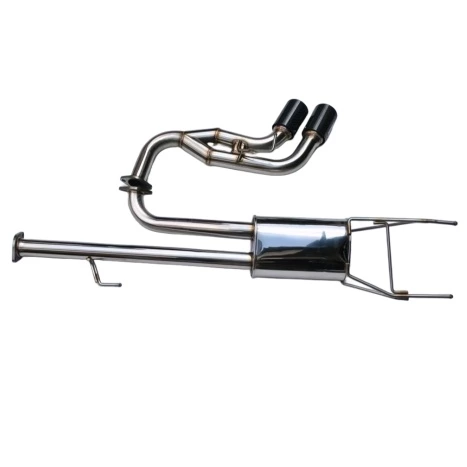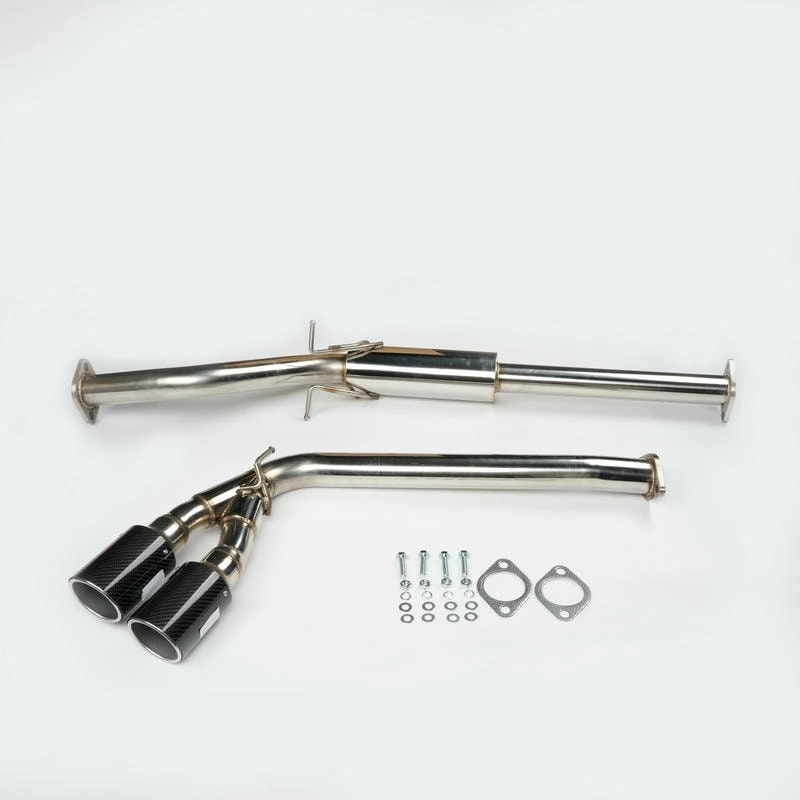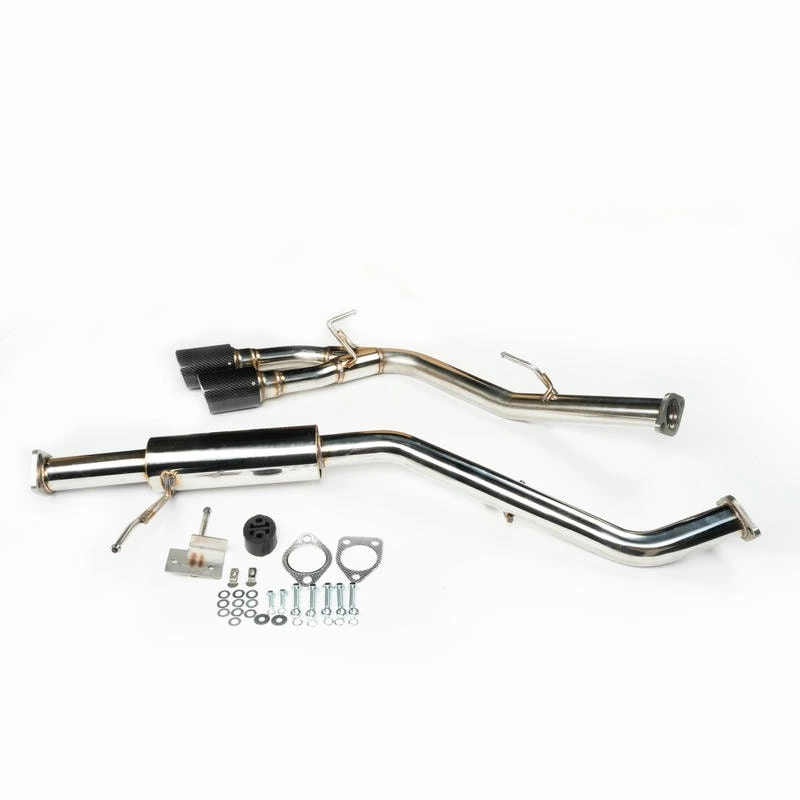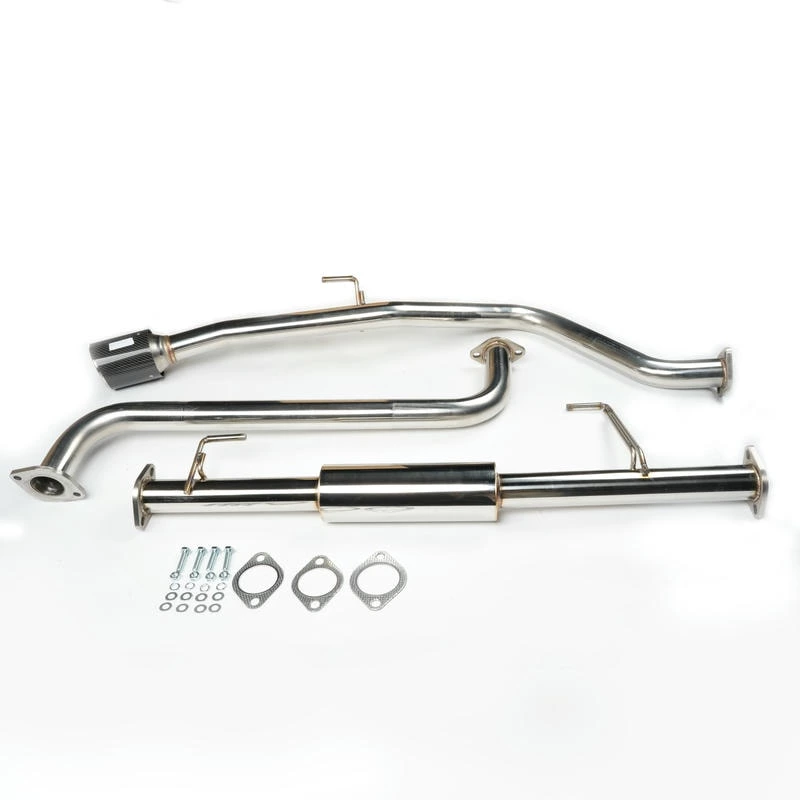
Exhaust Pipe vs Muffler: What’s the Difference?
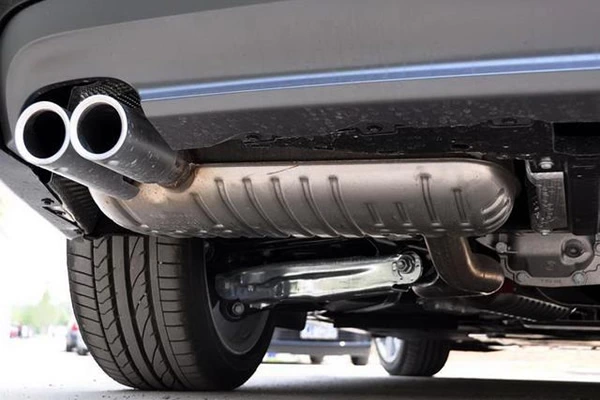
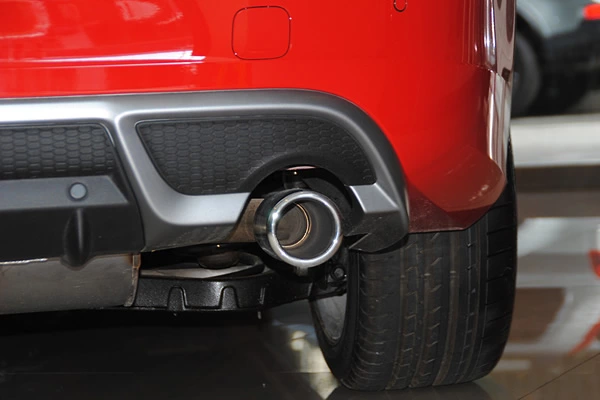
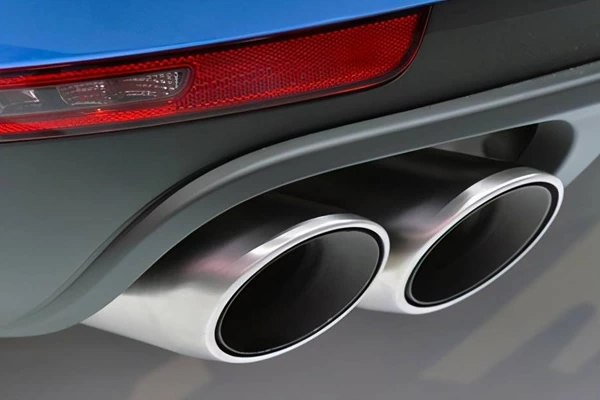
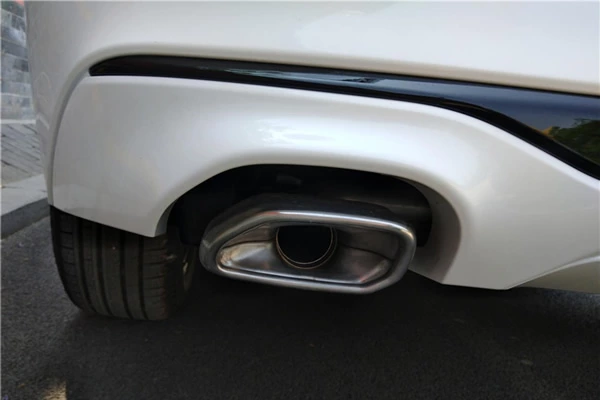
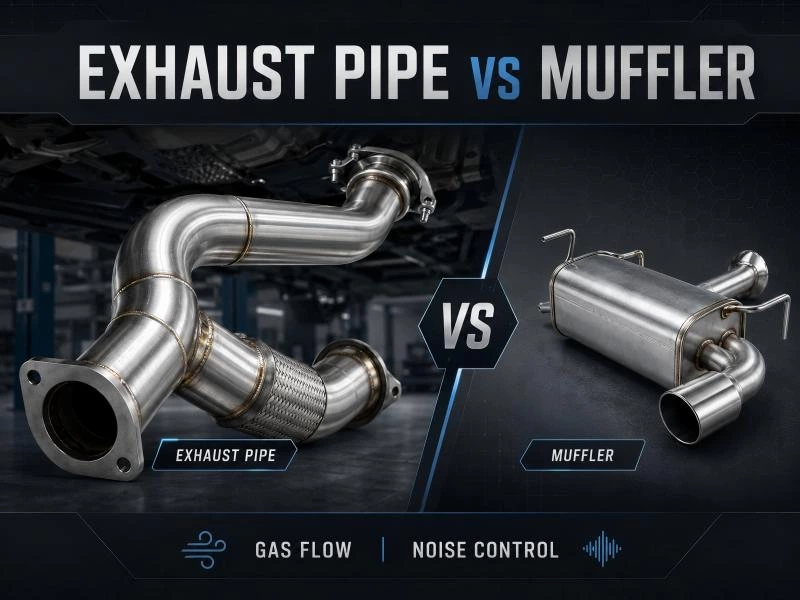
An exhaust pipe and a muffler are both parts of a vehicle's exhaust system, but they perform different jobs. The exhaust pipe provides the pathway that carries exhaust gases through the system, while the muffler is mainly designed to reduce exhaust noise before the gases leave the vehicle.
Understanding the difference between an exhaust pipe vs muffler is especially useful when diagnosing exhaust problems or selecting replacement components. Rust, leaks, deformation, or incorrect pipe dimensions may require an exhaust pipe replacement, while excessive rear exhaust noise or internal rattling may point to a different part of the system.
For exhaust pipe replacement or OEM applications, factors such as vehicle compatibility, pipe diameter, routing, material, bends, and connection points are particularly important. AOSU provides automotive exhaust pipe solutions for different vehicle platforms and customized project requirements.
What Is an Exhaust Pipe?
An exhaust pipe is the tubular section of an automotive exhaust system that carries exhaust gases between different components and toward the rear of the vehicle. Depending on the exhaust layout, pipes may connect the catalytic converter, resonator, muffler, and tailpipe while following the available space underneath the vehicle.
Unlike a muffler, which is primarily designed around sound control, an exhaust pipe must meet several physical and performance requirements at the same time. Its diameter, length, bends, routing, material, and connection design all influence how well it fits the vehicle and performs within the complete exhaust system.
Main Functions of an Exhaust Pipe
- Carry exhaust gases through the exhaust system
- Connect major exhaust components
- Maintain the designed exhaust flow path
- Provide correct routing underneath the vehicle
- Support reliable connections and vehicle-specific fitment
Exhaust Pipe Diameter and Routing Matter
Exhaust pipes are not simply straight tubes. Vehicle chassis layout, engine configuration, ground clearance, suspension components, and the position of other exhaust parts often require multiple bends and carefully controlled routing.
Pipe diameter is also important. A pipe that is too small may create unnecessary restriction, while an oversized pipe may change exhaust gas velocity and may not suit the engine or application. Diameter should therefore be selected according to engine output, vehicle use, and the complete exhaust system design.
Material Affects Exhaust Pipe Durability
Because exhaust pipes operate underneath the vehicle, they are regularly exposed to heat, moisture, road spray, salt, vibration, and external impact. Material selection therefore has a direct effect on corrosion resistance and long-term service life.
Stainless steel is commonly used where improved corrosion resistance, heat durability, and longer service life are required. For OEM or replacement applications, the material should be considered together with pipe dimensions and vehicle fitment rather than selected independently.
What Is a Muffler?
A muffler is a separate component within the exhaust system that is mainly responsible for controlling exhaust noise. It is typically positioned toward the rear of the vehicle and uses an internal sound-control structure to reduce or modify sound generated as exhaust gases pass through.
While exhaust gases also pass through the muffler, its primary role is different from that of the exhaust pipe. The exhaust pipe establishes the gas flow path and connects the system, whereas the muffler focuses more directly on reducing exhaust volume and controlling tone.
For this reason, exhaust pipe and muffler problems should not automatically be treated as the same issue. A loud exhaust may be caused by a damaged muffler, but it may also result from a cracked or leaking exhaust pipe.
Exhaust Pipe vs Muffler: Key Differences
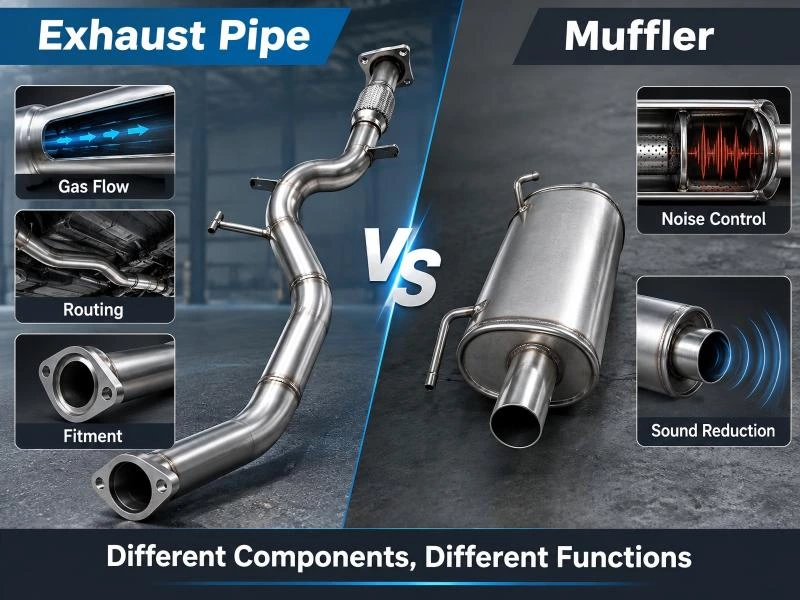
The easiest way to understand the difference between an exhaust pipe and muffler is to compare what each component is designed to do within the exhaust system.
| Comparison | Exhaust Pipe | Muffler |
|---|---|---|
| Main Function | Carries exhaust gases and connects system components | Primarily reduces exhaust noise |
| Structure | Tubular pipe with vehicle-specific bends and connections | Larger sound-control component with an internal acoustic structure |
| Location | Runs through different sections of the exhaust system | Usually positioned toward the rear of the system |
| Main Design Factors | Diameter, length, routing, bends, material, and fitment | Internal design, sound attenuation, and exhaust tone |
| Common Problems | Rust, cracks, leaks, dents, deformation, or poor fitment | Rust, holes, internal damage, or rattling |
| Replacement Focus | Vehicle compatibility, dimensions, material, and connection design | Condition and sound-control performance |
In simple terms: the exhaust pipe provides the path for exhaust gases to move through the system, while the muffler mainly controls how loud those gases sound before they leave the vehicle.
For replacement and OEM projects, exhaust pipe specifications require particular attention because the pipe must physically connect with surrounding components and fit within the available vehicle space. Incorrect diameter, bends, flange positions, or mounting points can create installation and reliability problems even when the material itself is suitable.
Where Is the Exhaust Pipe Located in the Exhaust System?
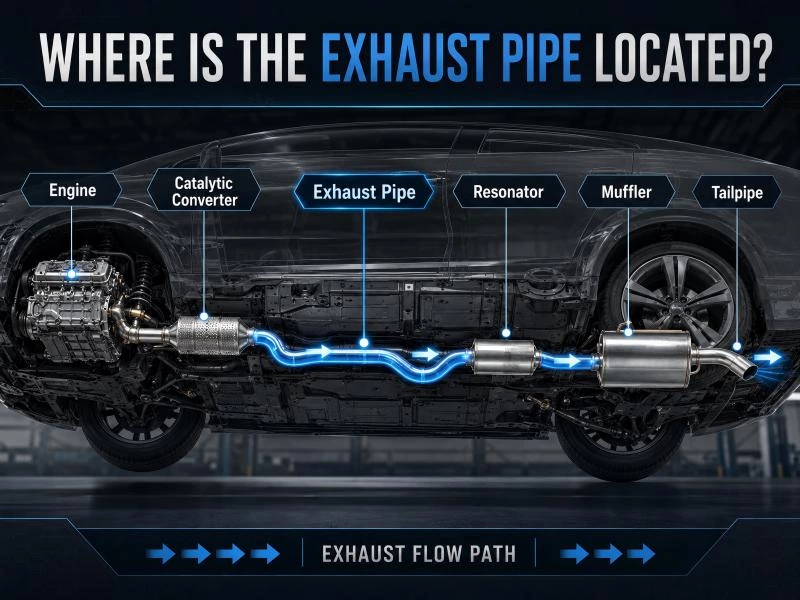
The exhaust pipe is not limited to one fixed position. Instead, it forms the tubular pathway that connects different exhaust system components and carries gases from the engine area toward the rear of the vehicle.
Typical exhaust flow path:
Engine → Catalytic Converter → Exhaust Pipe → Resonator → Muffler → Tailpipe
The exact layout varies between vehicle models, engine configurations, and chassis designs. Some vehicles use longer pipe sections, multiple bends, or different connection points depending on available space and exhaust system requirements.
This is why vehicle-specific exhaust pipe design is important. A replacement pipe must follow the correct routing while maintaining suitable clearance from the chassis, suspension, heat-sensitive components, and other parts of the exhaust system.
Why Exhaust Pipe Design Matters
An exhaust pipe may look like a simple tubular component, but several design factors determine whether it performs correctly. Diameter, routing, bending accuracy, material, and connection design all affect exhaust flow, fitment, and long-term reliability.
Pipe Diameter Affects Exhaust Flow
Exhaust pipe diameter determines how much exhaust gas can move through the system. A diameter that is too small may create unnecessary restriction, while an oversized pipe may reduce exhaust gas velocity and may not suit the engine or vehicle application.
The correct size depends on engine displacement, power output, vehicle use, and the overall exhaust configuration. For more detail, see our exhaust pipe diameter guide.
Routing and Bends Affect Fitment
Exhaust pipes often need to pass around chassis members, suspension components, fuel tanks, and other underbody structures. The bends must therefore be positioned accurately to maintain clearance and match the intended exhaust path.
Poorly designed bends or incorrect routing can create installation difficulties, unwanted contact, vibration, or additional stress on connected components.
- Correct bend angles help maintain vehicle clearance
- Accurate routing supports easier installation
- Consistent dimensions improve repeatability for OEM applications
Material Influences Durability
Exhaust pipes operate in an environment that combines heat, moisture, road spray, salt, and vibration. Material selection therefore has a direct impact on corrosion resistance and service life.
Stainless steel is commonly used for applications where improved corrosion resistance and heat durability are required. The appropriate material should still be selected according to the vehicle application, environment, and project requirements.
Connection Points Must Match the Vehicle
Flanges, joints, hangers, and mounting positions need to align correctly with surrounding exhaust components. Even small dimensional differences can create installation problems or place additional stress on the system.
Key exhaust pipe design factors:
- Pipe diameter
- Overall length
- Bending angles and positions
- Material specification
- Flange and joint design
- Hanger and mounting locations
For OEM and customized automotive applications, AOSU develops exhaust pipe solutions according to vehicle specifications, drawings, samples, dimensions, and installation requirements.
Does the Muffler or Exhaust Pipe Affect Sound More?
Both the exhaust pipe and muffler can influence the sound of a vehicle, but they do so in different ways. The muffler has the more direct effect on exhaust volume because its internal structure is specifically designed to reduce and control sound.
The exhaust pipe, on the other hand, can influence exhaust tone and resonance through its diameter, length, routing, and overall configuration. Changes to these factors may alter how exhaust pulses travel through the system, but the pipe is not primarily a sound-control component.
| Sound Factor | Exhaust Pipe | Muffler |
|---|---|---|
| Overall Volume | Indirect influence | Direct influence |
| Exhaust Tone | Affected by diameter, length, and routing | Affected by internal sound-control design |
| Resonance | Pipe dimensions and layout can influence resonance | Designed to reduce or control unwanted frequencies |
| Primary Purpose | Carry exhaust gases | Control exhaust noise |
Key point: If the main goal is controlling exhaust volume, the muffler usually has the greater influence. Exhaust pipe design should instead be selected primarily around exhaust flow, vehicle compatibility, dimensions, routing, and fitment.
A larger exhaust pipe should therefore not be selected simply because a louder or deeper sound is desired. Pipe diameter needs to match the engine and complete exhaust system to maintain an appropriate balance between flow capacity and exhaust gas velocity.
How Is a Bad Muffler Different from a Bad Exhaust Pipe?
Exhaust pipe and muffler problems can sometimes produce similar symptoms, particularly increased exhaust noise. Identifying where the problem originates is important before deciding which component requires inspection or replacement.
A damaged exhaust pipe is more likely to involve problems with the tubular sections of the system, such as corrosion, cracks, leaks, dents, deformation, or poor connection alignment. Muffler problems are more commonly associated with deterioration or damage inside or around the sound-control component toward the rear of the vehicle.
Common Signs of a Damaged Exhaust Pipe
- Visible rust or corrosion along the pipe
- Holes or cracks in the pipe wall
- Hissing sounds caused by exhaust leaks
- Bent or dented pipe sections
- Damaged welds or connections
- Incorrect routing or poor fitment
These problems can affect exhaust sealing, routing, structural strength, and in severe cases exhaust flow. For a more detailed explanation of these symptoms, see our exhaust pipe replacement guide.
Signs That May Point More Toward the Muffler
A muffler problem may produce excessive exhaust noise from the rear of the vehicle, internal rattling, visible corrosion around the muffler body, or damage to the component itself.
However, unusual noise does not automatically mean the muffler has failed. A leaking exhaust pipe, damaged connection, or cracked weld elsewhere in the system can also make the vehicle noticeably louder.
| Symptom | Exhaust Pipe | Muffler |
|---|---|---|
| Rust or corrosion | Common | Also possible |
| Hissing leak | Common around cracks and joints | Possible if the shell or connection is damaged |
| Bent or dented tubing | Common after road impact | Less typical |
| Internal rattling | Less typical | More likely |
| Suddenly louder exhaust | Possible if the pipe leaks | Possible if sound-control structures fail |
| Poor vehicle fitment | Closely related to pipe dimensions and routing | May occur at mounting or connection points |
Do not diagnose the component based on sound alone. The location of the leak, corrosion, deformation, or internal damage should be identified before deciding which exhaust component needs replacement.
When Should an Exhaust Pipe Be Replaced?
Not every exhaust pipe problem requires immediate replacement. Minor surface discoloration or light corrosion may not affect structural strength, while more serious damage can reduce sealing, fitment, and long-term reliability.
Replacement should be considered when the exhaust pipe can no longer perform its intended function safely and consistently.
Replacement Is Usually Needed When:
- Corrosion has created holes or significantly weakened the pipe wall
- Cracks or damaged welds are causing exhaust leaks
- The pipe is severely bent, dented, or deformed
- Connection points no longer align correctly
- Poor fitment creates vibration or contact with surrounding components
- Previous repairs no longer provide a reliable long-term solution
Severe Corrosion and Exhaust Leaks
Corrosion is one of the most common reasons for exhaust pipe replacement. Once rust penetrates the pipe wall, exhaust gases can escape through holes or weakened sections.
Small local repairs may sometimes address minor damage, but extensive corrosion across a larger section often makes replacement more practical. The surrounding exhaust components should also be inspected to determine whether corrosion has spread beyond the damaged pipe.
Deformation and Road Damage
Road impact can bend or flatten an exhaust pipe, especially on vehicles that regularly operate on uneven roads or off-road terrain. Severe deformation may reduce clearance, change the original routing, or create unnecessary restriction.
If the pipe cannot be returned to the correct shape and alignment without compromising structural integrity, replacement is usually the more reliable option.
Incorrect Fitment or Repeated Connection Problems
An exhaust pipe that does not match the intended vehicle layout can place stress on flanges, joints, hangers, and surrounding components. Repeated leakage or vibration around the same connection point may indicate that the pipe dimensions or routing are incorrect.
For OEM and replacement applications, correct fitment should be verified against the vehicle model, original specifications, drawings, or samples before production or installation.
How to Choose a Replacement Exhaust Pipe
Choosing a replacement exhaust pipe involves more than matching the visible shape of the old component. Vehicle compatibility, material, pipe diameter, routing, connections, and manufacturing accuracy all influence whether the replacement will fit and perform correctly.
A practical selection process should consider these factors in sequence rather than evaluating each one separately.
-
Confirm the vehicle application.
Identify the vehicle brand, model, production year, engine configuration, and original exhaust layout. These details determine the overall shape, pipe length, bends, flange positions, and mounting points.
-
Select the appropriate material.
Consider corrosion resistance, heat exposure, expected service life, operating environment, and project cost. Stainless steel is commonly selected where durability and corrosion resistance are priorities.
-
Confirm pipe diameter.
The diameter should match engine output and the complete exhaust system design. Oversizing or undersizing the pipe may affect exhaust flow characteristics and compatibility.
-
Check routing and bending requirements.
Bend positions and angles need to match the available space underneath the vehicle while maintaining suitable clearance from surrounding components.
-
Verify connections and mounting points.
Flanges, joints, hangers, and other connection features should match the existing exhaust system to reduce installation problems.
Vehicle Compatibility Comes First
Different vehicles can use significantly different exhaust pipe layouts even when engine sizes or overall vehicle dimensions appear similar. For this reason, vehicle model data should be confirmed before selecting a replacement component.
AOSU supports exhaust pipe applications for different vehicle platforms, including Isuzu, Nissan, and Mitsubishi vehicle exhaust requirements.
Choose Material According to the Operating Environment
For vehicles exposed to moisture, road salt, high humidity, or demanding driving conditions, corrosion resistance becomes especially important. Stainless steel exhaust pipes can provide improved durability compared with less corrosion-resistant materials.
Material selection should still be matched to the actual project requirements. OEM replacement programs may prioritize a balance between durability, production consistency, and cost, while custom applications may place greater emphasis on long-term corrosion resistance or specific material grades.
Pipe Diameter Should Match the Complete System
Exhaust pipe diameter should not be chosen based only on appearance or the assumption that a larger pipe automatically improves performance.
Engine displacement, power output, vehicle application, and exhaust system design should all be considered. For a more detailed explanation, see our exhaust pipe diameter guide.
| Selection Factor | What to Confirm | Why It Matters |
|---|---|---|
| Vehicle | Brand, model, year, engine | Determines basic compatibility |
| Material | Corrosion and heat requirements | Affects durability and service life |
| Diameter | Pipe size and engine requirements | Influences flow and system matching |
| Routing | Bends, length, and clearance | Ensures correct underbody fitment |
| Connections | Flanges, joints, hangers | Supports installation and sealing |
The right replacement exhaust pipe should match the vehicle as a complete component—not just the diameter. Material, routing, bends, connections, and fitment all need to work together.
For OEM, replacement, and customized projects, AOSU provides custom exhaust pipe solutions based on vehicle specifications, drawings, samples, dimensions, and application requirements.
OEM and Custom Exhaust Pipe Solutions
Standard replacement pipes may not meet every vehicle or project requirement. Different chassis layouts, engine configurations, installation spaces, and connection designs can require vehicle-specific exhaust pipe development.
For OEM and customized applications, exhaust pipes can be developed according to technical drawings, physical samples, vehicle data, dimensions, or other project specifications. The goal is to ensure that material, diameter, routing, bends, and connection points work together as a complete component.
Custom Exhaust Pipe Development May Include:
- Vehicle-specific pipe dimensions
- Stainless steel material selection
- Pipe diameter confirmation
- Bending angles and routing design
- Flange and connection specifications
- Hanger and mounting positions
- Prototype and sample development
- OEM production requirements
From Vehicle Data to Finished Exhaust Pipe
A typical custom development process begins with confirming the vehicle and application requirements. Drawings, samples, or dimensional data can then be used to determine pipe geometry, material, connections, and manufacturing specifications.
Production may involve tube cutting, bending, welding, dimensional inspection, and fitment verification before the finished exhaust pipe is approved for batch production.
| Development Stage | Main Focus |
|---|---|
| Application Review | Vehicle model, engine, exhaust layout, and project requirements |
| Specification Confirmation | Material, diameter, dimensions, bends, and connections |
| Prototype Development | Sample production and dimensional verification |
| Fitment Check | Routing, mounting positions, and connection compatibility |
| Production | Consistent manufacturing and quality inspection |
AOSU supports OEM and custom exhaust pipe solutions for different automotive applications. Projects can be developed according to vehicle specifications, drawings, samples, dimensions, and production requirements.
FAQ About Exhaust Pipe vs Muffler
Is an exhaust pipe the same as a muffler?
No. An exhaust pipe is the tubular pathway that carries exhaust gases between different components of the exhaust system. A muffler is a separate component primarily designed to reduce exhaust noise. They work within the same system but perform different functions.
What does an exhaust pipe do?
An exhaust pipe carries exhaust gases through the vehicle's exhaust system and connects components such as the catalytic converter, resonator, and muffler. Its diameter, routing, bends, material, and connection design also affect fitment and exhaust flow.
What makes a car louder, the exhaust pipe or muffler?
The muffler usually has the more direct influence on exhaust volume because it is specifically designed to control noise. However, exhaust pipe diameter, length, routing, and leaks can also change exhaust tone or make the vehicle noticeably louder.
Can a damaged exhaust pipe make a car louder?
Yes. Cracks, corrosion holes, damaged welds, or leaking joints can allow exhaust gases to escape before reaching the end of the system, resulting in increased or abnormal exhaust noise.
How do I know if my exhaust pipe needs replacement?
Common signs include severe corrosion, holes, cracks, exhaust leaks, bent pipe sections, damaged connections, or poor fitment. Replacement should be considered when the pipe can no longer maintain reliable sealing, structure, or compatibility with the exhaust system.
Can an exhaust pipe be replaced without replacing the muffler?
In many exhaust systems, yes. If the damage is limited to the exhaust pipe and the surrounding components remain in good condition, only the affected pipe section may need replacement.
The decision depends on the location of the damage, connection design, vehicle layout, and condition of nearby exhaust components.
Does exhaust pipe diameter matter?
Yes. Exhaust pipe diameter affects flow capacity and exhaust gas velocity. The correct diameter should match the engine output, vehicle application, and overall exhaust system rather than simply using the largest available pipe.
Conclusion
The main difference between an exhaust pipe vs muffler is their function. The exhaust pipe carries exhaust gases and connects different parts of the exhaust system, while the muffler primarily controls exhaust noise.
For exhaust pipe replacement or OEM development, the most important considerations include vehicle compatibility, pipe diameter, material, routing, bends, connection points, and manufacturing accuracy. Problems such as corrosion, cracks, leaks, deformation, or poor fitment can indicate that an exhaust pipe requires replacement.
AOSU provides custom exhaust pipe solutions for OEM, replacement, and vehicle-specific automotive applications. Exhaust pipes can be developed according to drawings, samples, vehicle specifications, dimensions, and production requirements.
For custom exhaust pipe development or OEM project requirements, contact AOSU to discuss your application.