How Hot Can Exhaust Pipes Get
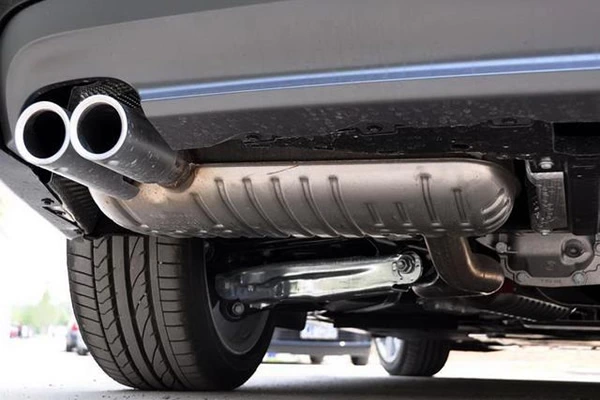
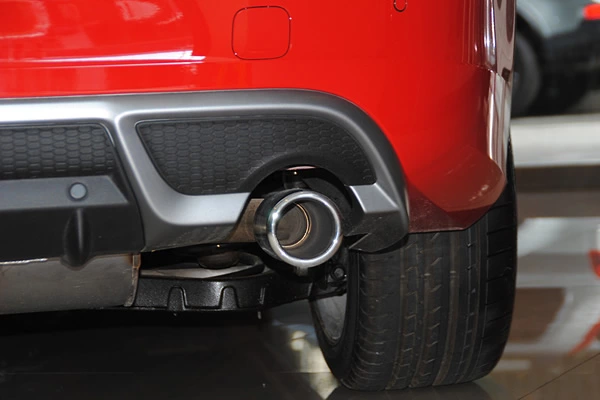
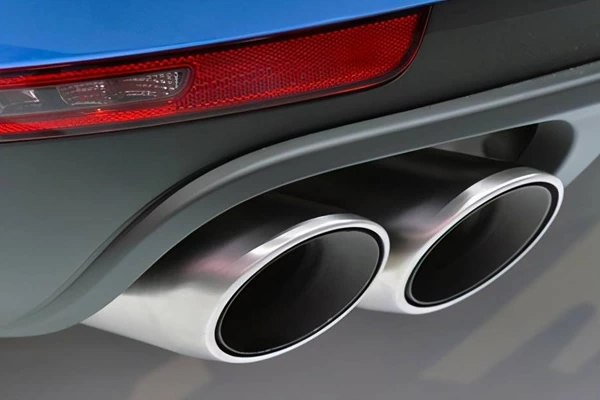
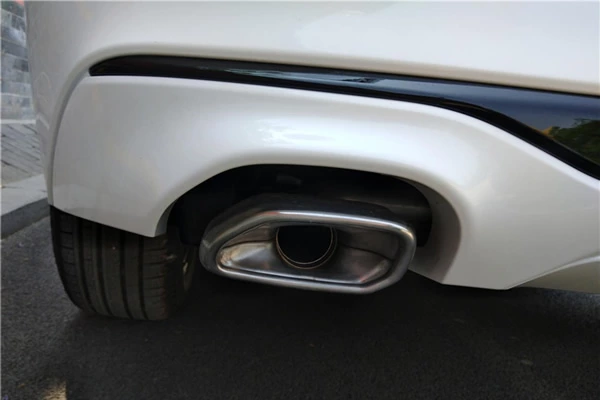
Car exhaust pipes operate in one of the highest-temperature areas of a vehicle. During normal driving, exhaust pipes are exposed to continuous heat from engine combustion gases, and temperatures can rise significantly under heavy loads, high-speed driving, or performance conditions.
Understanding exhaust pipe temperature is important when selecting materials, designing exhaust components, and improving long-term durability. For manufacturers and buyers of car exhaust pipes, heat resistance, material performance, and manufacturing quality are key factors that determine product reliability.
How Hot Can a Car Exhaust Pipe Get?
A car exhaust pipe can typically reach several hundred degrees Celsius during operation. The exact temperature depends on engine type, driving conditions, vehicle load, and the location of the pipe. Areas closer to the engine usually experience higher temperatures because they receive exhaust gases directly after combustion.
| Driving Condition | Approximate Exhaust Pipe Temperature |
|---|---|
| Normal daily driving | 300-500°C |
| Heavy acceleration | 500-700°C |
| High-load or performance driving | 700°C+ |
| Area close to engine outlet | Higher temperatures |
These temperature ranges are only general references. Different vehicle models, engine technologies, and operating environments can create significant variations. For example, turbocharged engines and vehicles frequently operating under heavy loads typically produce higher exhaust temperatures.
Why Do Car Exhaust Pipes Get So Hot?
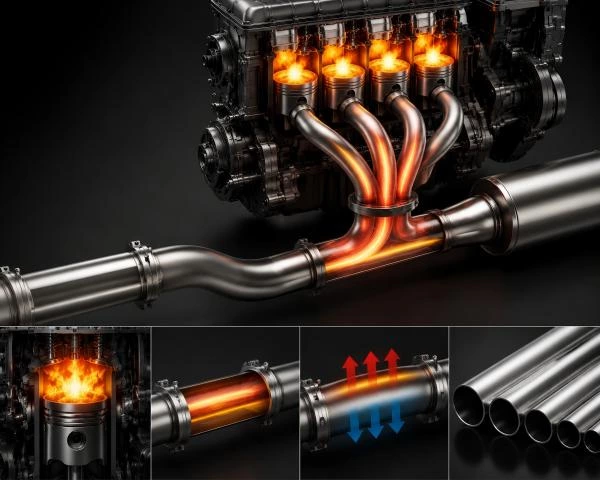
The high temperature of an exhaust pipe comes from the combustion process inside the engine. When fuel burns, it creates high-temperature gases that must be transferred away from the engine through the exhaust pipe.
Because the exhaust pipe is continuously exposed to hot gases, it experiences repeated heating and cooling cycles during vehicle operation. Over time, this thermal stress can affect material strength, surface condition, and overall service life.
- Engine combustion generates high-temperature exhaust gases.
- The exhaust pipe transfers heat away from the engine area.
- Repeated temperature changes create thermal expansion and contraction.
- Material selection and manufacturing quality affect heat resistance.
What Factors Affect Exhaust Pipe Temperature?
Exhaust pipe temperature is influenced by many factors, not just engine operation. Vehicle usage, engine design, and exhaust pipe construction all determine how much heat the pipe experiences during service.
Vehicles used for towing, long-distance driving, or frequent acceleration usually generate higher exhaust temperatures because the engine operates under greater load. High-performance and turbocharged engines may also produce increased heat due to higher combustion pressure and airflow requirements.
In addition to operating conditions, exhaust pipe design also affects temperature distribution. Pipe diameter, routing layout, material selection, and manufacturing accuracy all influence heat management and long-term durability.
- Engine load and driving conditions
- Turbocharged or high-performance engine design
- Vehicle application and operating environment
- Exhaust pipe material and manufacturing quality
Temperature Changes Along a Car Exhaust Pipe
The temperature of a car exhaust pipe is not the same throughout the entire pipe. The section closest to the engine is exposed to the highest heat, while temperatures gradually decrease as exhaust gases move further away. This temperature difference creates different requirements for material selection, pipe design, and manufacturing quality.
| Exhaust Pipe Area | Temperature Characteristics |
|---|---|
| Front section | Receives high-temperature exhaust gases and experiences the strongest thermal stress |
| Middle section | Handles repeated heating and cooling cycles during vehicle operation |
| Rear section | Lower heat exposure but greater risk from moisture and corrosion |
Because different areas of an exhaust pipe experience different thermal conditions, manufacturers need to consider more than just the material itself. Pipe routing, bending accuracy, welding quality, and surface protection all influence the final durability of the product.
How High Temperatures Affect Exhaust Pipe Durability
Continuous exposure to high temperatures can gradually affect exhaust pipe performance. A well-designed exhaust pipe must withstand repeated thermal cycles while maintaining structural strength, corrosion resistance, and reliable fitment.
- Thermal Expansion: Metal expands when heated and contracts when cooled. Repeated expansion cycles can create stress inside the pipe structure.
- Oxidation: Long-term exposure to high temperatures can accelerate surface oxidation and reduce material performance.
- Corrosion: Heat combined with moisture, road conditions, and exhaust residue can affect the service life of exhaust pipes.
- Welding Stress: Poor welding quality may create weak points that can lead to cracks or leakage under thermal stress.
For this reason, choosing a suitable material and reliable manufacturing process is essential when producing exhaust pipes for different vehicle applications.
Choosing Materials for High-Temperature Exhaust Pipes
Material selection plays an important role in determining how well an exhaust pipe performs under high temperatures. Different materials provide different levels of heat resistance, corrosion protection, and cost efficiency depending on the application.
| Material | Key Advantages | Common Applications |
|---|---|---|
| SUS304 Stainless Steel | Excellent corrosion resistance, high-temperature durability, and long service life | Premium and performance exhaust applications |
| 409 Stainless Steel | Good heat resistance with a balanced cost-performance ratio | OEM replacement exhaust pipes |
| Aluminized Steel | Cost-effective protection for standard applications | Economical exhaust solutions |
SUS304 stainless steel is commonly selected for high-quality exhaust pipe applications because it provides excellent resistance against heat and corrosion. However, the best material choice depends on vehicle requirements, operating environment, and expected service life.
Why Manufacturing Quality Matters for Exhaust Pipes
High-temperature environments place strict requirements on exhaust pipe manufacturing. Even with quality materials, poor production processes can affect fitment, durability, and long-term performance.
Professional exhaust pipe manufacturing typically includes precision tube cutting, accurate bending, reliable welding, and strict quality inspection. These processes help ensure that each pipe maintains correct dimensions, stable structure, and consistent performance during vehicle operation.
- Precision Tube Bending: Ensures accurate routing and reduces unnecessary stress on the pipe structure.
- Welding Control: Helps prevent leakage and improves resistance to vibration and thermal cycling.
- Quality Inspection: Verifies dimensions, appearance, and product consistency before delivery.
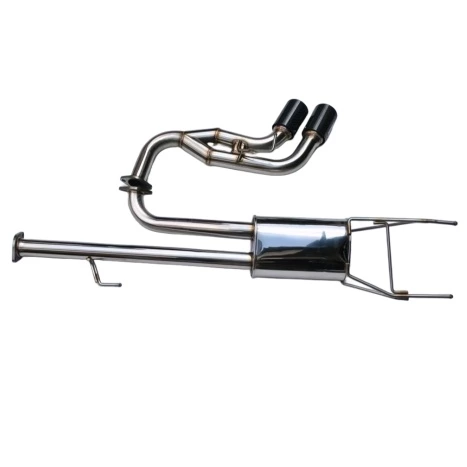
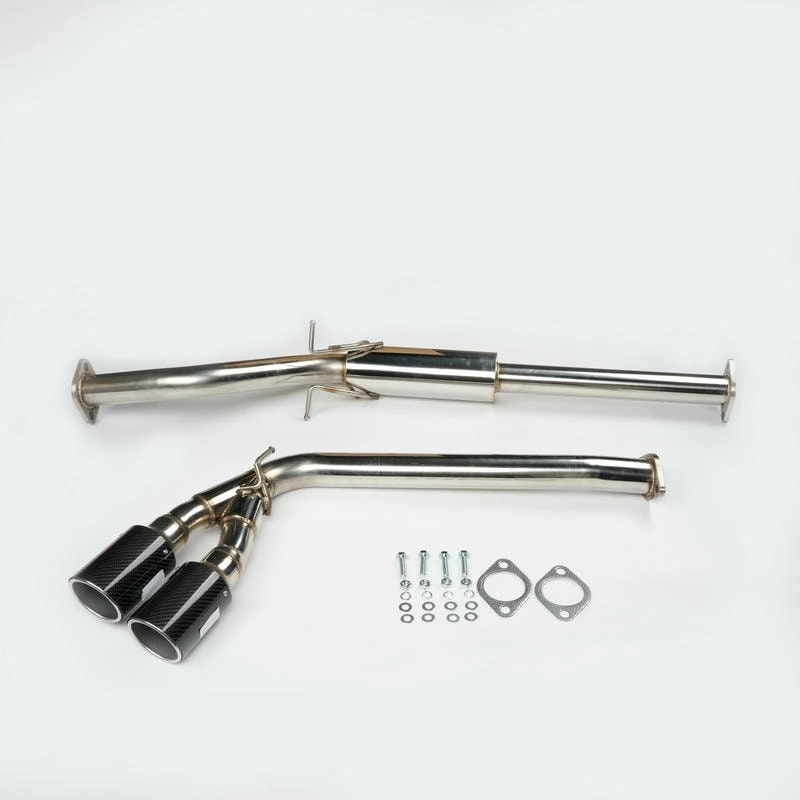
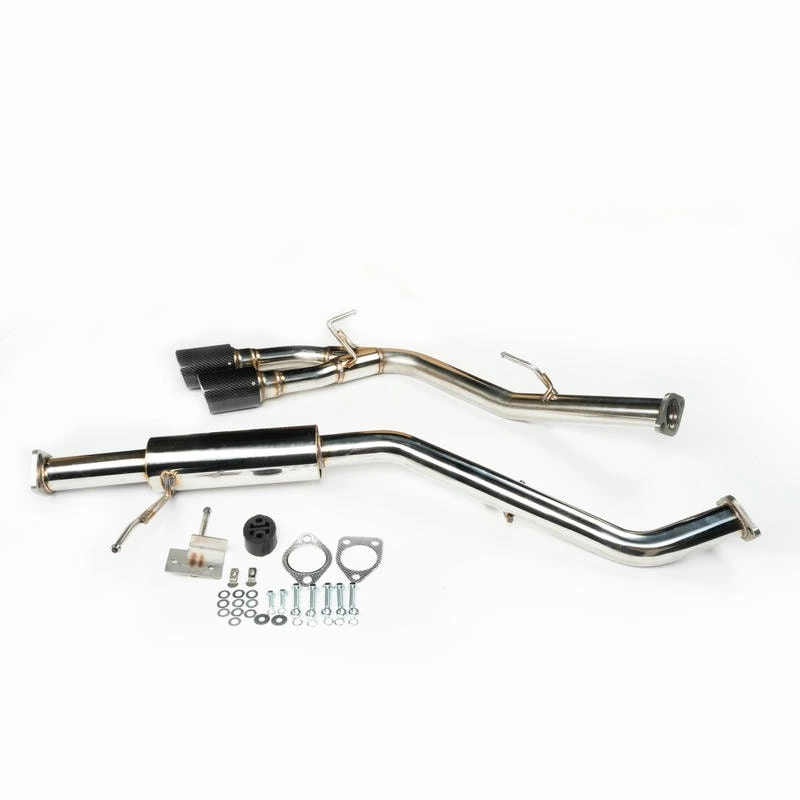
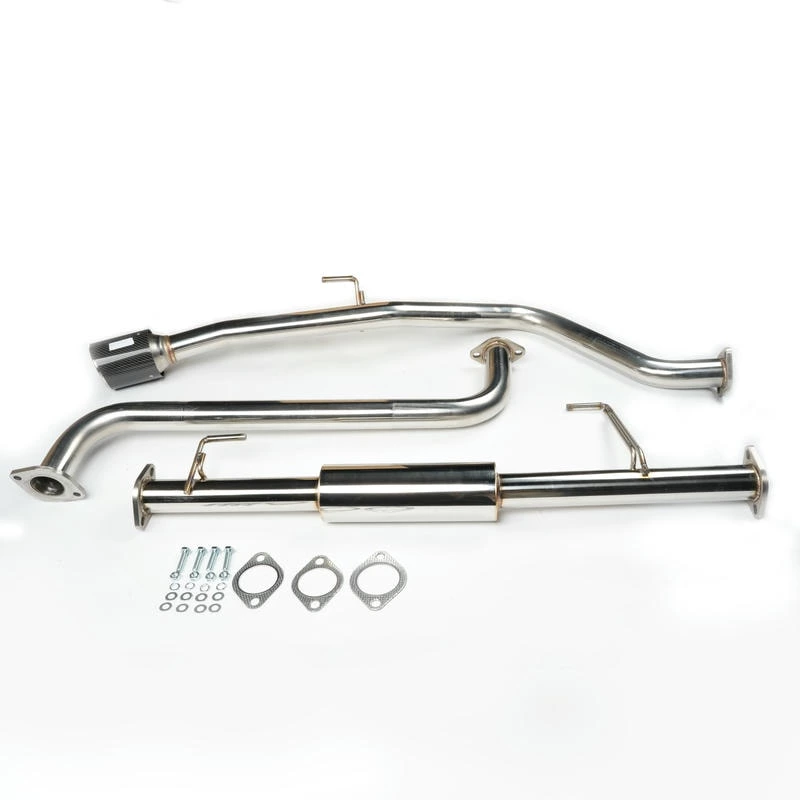
As an car exhaust pipe manufacturer, AOSU Auto provides OEM and ODM exhaust pipe solutions for different vehicle applications, including Honda, Toyota, Ford, Nissan, Mitsubishi, and Isuzu models.
How to Improve Exhaust Pipe Durability
Although exhaust pipes are designed to withstand high temperatures, proper material selection, manufacturing quality, and vehicle maintenance all influence their service life. Choosing an exhaust pipe that matches the vehicle application and operating environment can help improve long-term reliability.
- Select suitable materials based on temperature requirements and corrosion conditions.
- Choose exhaust pipes with accurate dimensions and reliable welding quality.
- Ensure proper vehicle fitment to avoid unnecessary stress during installation.
- Regularly inspect exhaust pipes for corrosion, cracks, or abnormal damage.
For applications exposed to higher temperatures or demanding operating conditions, exhaust pipe design and manufacturing quality become especially important. A properly manufactured exhaust pipe helps maintain stable performance while reducing the risk of premature failure.
Frequently Asked Questions About Exhaust Pipe Temperature
How hot does a car exhaust pipe get?
A car exhaust pipe can typically reach several hundred degrees Celsius during normal operation. Under heavy acceleration, high engine loads, or performance driving conditions, temperatures can rise significantly higher.
Can an exhaust pipe get hot enough to glow red?
Yes. Under extreme conditions, an exhaust pipe may become red hot when exposed to unusually high temperatures. This can occur during excessive engine load, abnormal combustion conditions, or continuous high-performance operation.
What temperature can stainless steel exhaust pipes handle?
Stainless steel exhaust pipes are widely used because of their excellent heat resistance and corrosion protection. Materials such as SUS304 stainless steel can maintain good durability in high-temperature exhaust environments when properly manufactured.
Do high temperatures damage exhaust pipes?
Continuous exposure to high temperatures can accelerate oxidation, thermal expansion, and material fatigue. However, proper material selection, precision manufacturing, and quality welding help reduce these effects and extend exhaust pipe service life.
Which material is best for high-temperature exhaust pipes?
The best material depends on the application. SUS304 stainless steel provides excellent corrosion resistance and durability for premium applications, while 409 stainless steel is often selected for OEM replacement solutions with a balance of performance and cost.
OEM & Custom Exhaust Pipe Solutions
As a professional car exhaust pipe manufacturer, AOSU Auto provides OEM and ODM exhaust pipe solutions for different vehicle applications. Our product range covers replacement and performance exhaust pipes for Honda, Toyota, Ford, Nissan, Mitsubishi, and Isuzu models.
In addition to vehicle-specific exhaust pipes, we also support custom universal exhaust pipe projects based on customer drawings, samples, or technical requirements. With flexible manufacturing capabilities and strict quality control, we help global customers develop reliable exhaust solutions for different markets.