How to Choose the Right Exhaust System for Your Vehicle
Choosing the right exhaust system is about more than replacing worn-out parts or changing the sound of your vehicle. The right system should match your vehicle perfectly, deliver reliable performance, and provide years of dependable service. Whether you're looking for an OEM replacement or considering a performance upgrade, understanding the key differences can help you avoid costly mistakes.
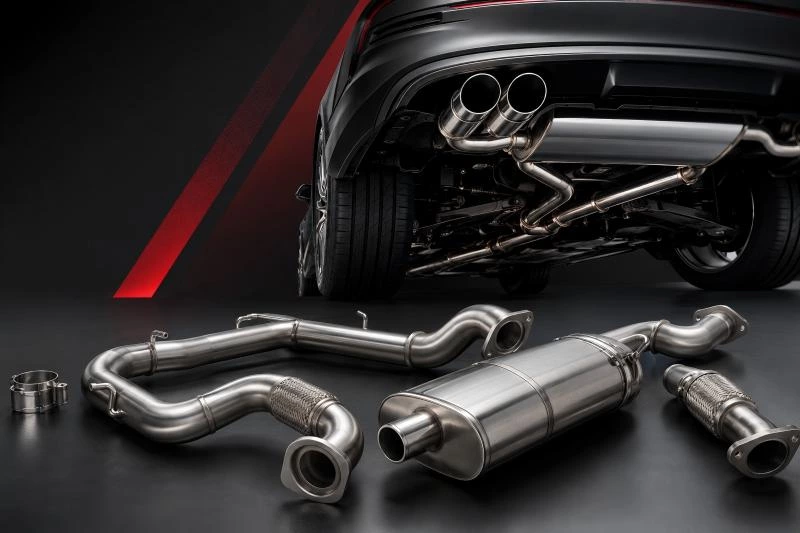
From vehicle compatibility and material selection to manufacturing quality and intended use, several factors determine whether an exhaust system is the right choice. This guide walks through the most important considerations, helping you make an informed decision before you buy.
Know Why You're Replacing Your Exhaust System
Before comparing materials or manufacturers, start by identifying why you need a new exhaust system. Different goals require different solutions, and understanding your priorities will narrow your options quickly.
| Your Goal | Recommended Solution |
|---|---|
| Replace a damaged or rusted exhaust | OEM replacement exhaust system |
| Restore factory performance | Vehicle-specific replacement exhaust |
| Improve exhaust sound | Performance exhaust system |
| Increase corrosion resistance | Stainless steel exhaust system |
| Customize vehicle appearance | Performance or custom exhaust system |
Many buyers focus on appearance or sound first, but these should not be the only deciding factors. A replacement exhaust should also fit correctly, provide stable performance, and withstand years of exposure to heat, moisture, vibration, and road debris.
If your current exhaust has developed leaks, excessive corrosion, or internal damage, replacing the entire system is often more reliable than repairing individual sections. For vehicles used daily or in demanding environments, durability is usually a more valuable investment than simply choosing the lowest price.
Make Sure the Exhaust System Fits Your Vehicle
Vehicle compatibility is one of the most important factors when selecting an exhaust system. Even vehicles from the same manufacturer may use completely different exhaust layouts depending on the model year, engine size, drivetrain, or trim level.
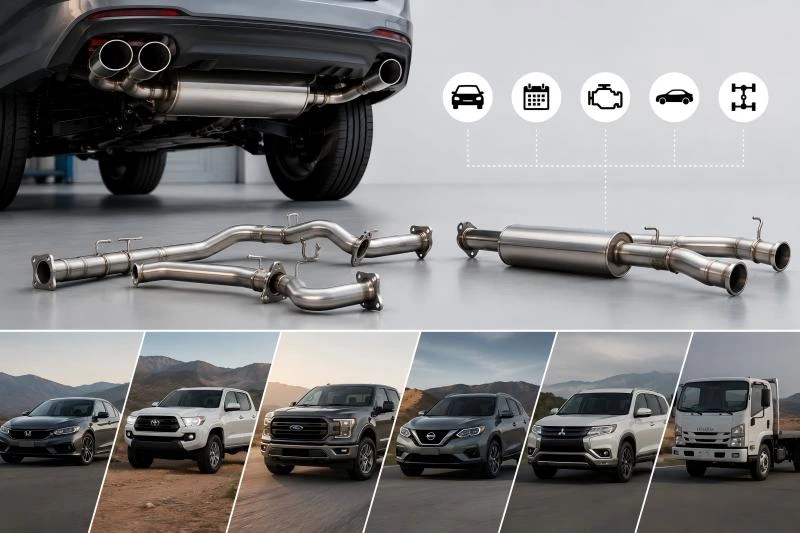
Before ordering, confirm the following information:
- Vehicle make and model
- Production year
- Engine type and displacement
- Body style
- Drive configuration (FWD, RWD, AWD or 4WD)
For example, two Honda Civic models with different engines may require different pipe routing, flange positions, or mounting brackets. The same applies to Toyota pickups, Ford trucks, Nissan SUVs, Mitsubishi models, and Isuzu commercial vehicles. Selecting the correct configuration ensures proper installation without unnecessary modifications.
If you're purchasing for multiple vehicle platforms, choosing a manufacturer with extensive model coverage can simplify sourcing while ensuring consistent fitment across different brands.
Vehicle-Specific Exhaust Systems We Manufacture
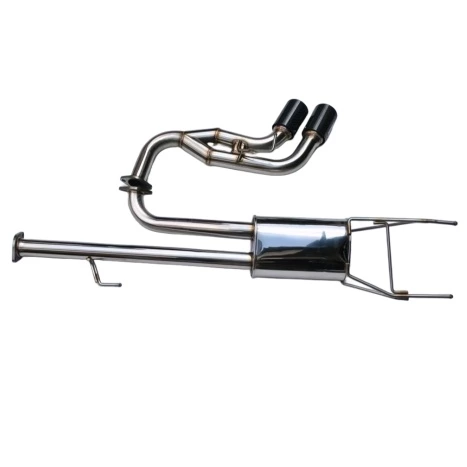
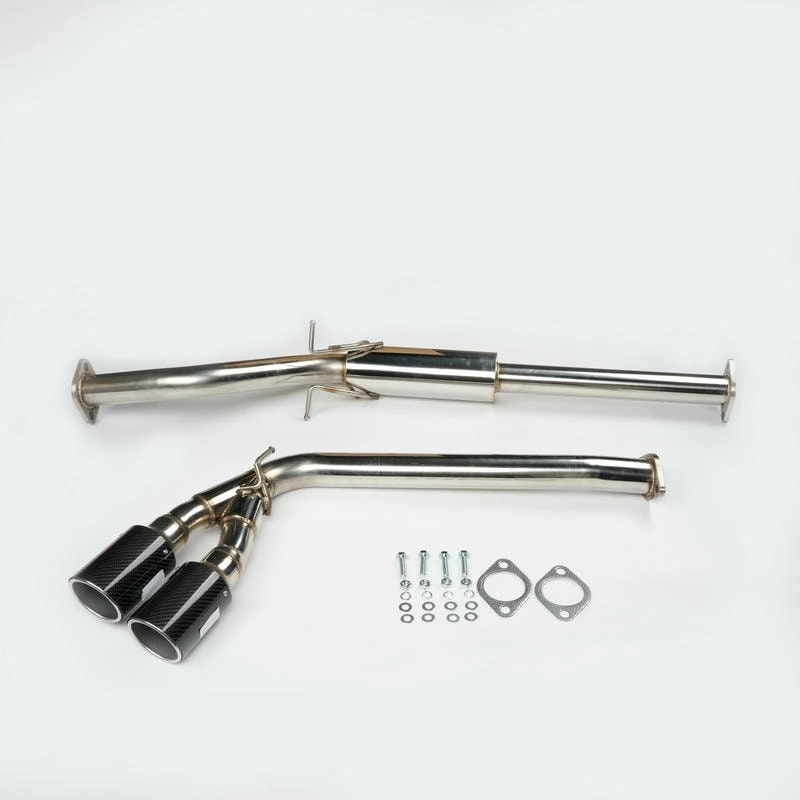
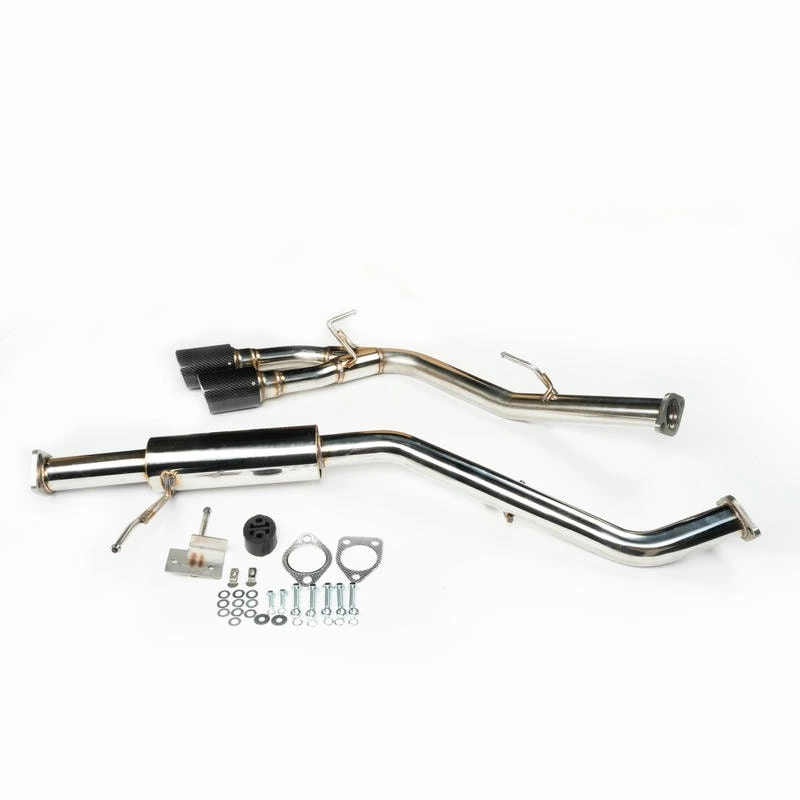
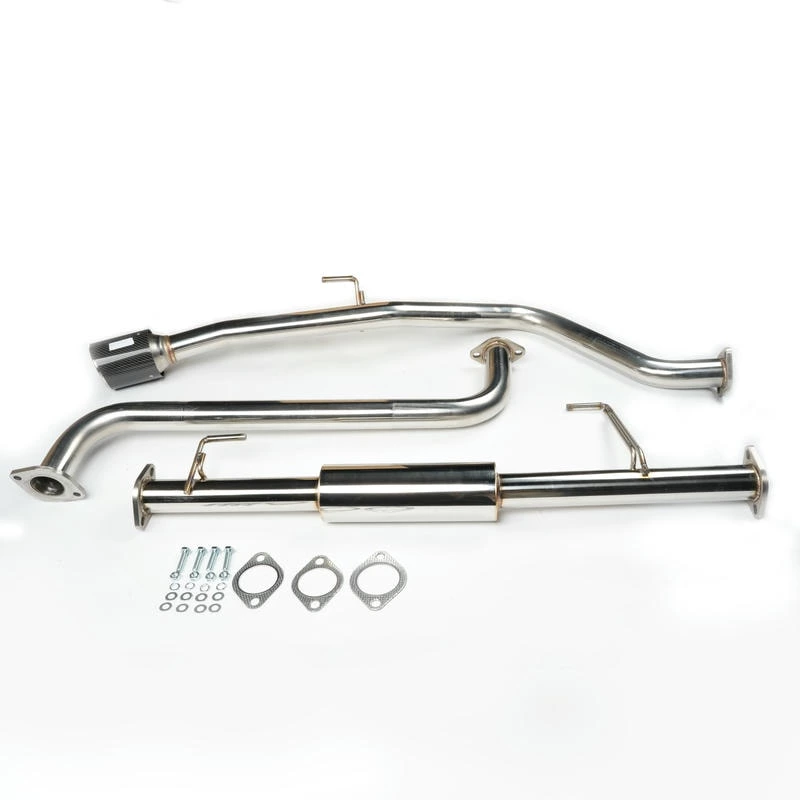
AOSU Auto supplies replacement and performance exhaust systems for a wide range of vehicle brands, including Honda, Toyota, Ford, Nissan, Mitsubishi, and Isuzu. Each product is designed according to the specifications of the corresponding vehicle platform to ensure reliable installation and long-term performance.
Choose the Right Material
Material selection has a direct impact on durability, corrosion resistance, maintenance requirements, and overall service life. While many buyers compare prices first, choosing the right material often provides better long-term value.
| Material | Advantages | Best For |
|---|---|---|
| SUS304 Stainless Steel | Excellent corrosion and heat resistance | Performance upgrades and long-term use |
| 409 Stainless Steel | Good durability at a lower cost | OEM replacement applications |
| Aluminized Steel | Economical with moderate corrosion protection | Budget-conscious replacement projects |
Among these options, SUS304 stainless steel is widely preferred for premium exhaust systems because it offers outstanding resistance to corrosion and high temperatures. This makes it suitable for regions with high humidity, coastal environments, or vehicles that are driven throughout the year.
However, the best material ultimately depends on your budget, operating conditions, and expected service life. For many OEM replacement applications, 409 stainless steel provides an effective balance between cost and durability, while aluminized steel remains a practical option for economical repairs.
Rather than selecting a material based on price alone, consider how and where the vehicle will be used. A higher-quality material often reduces maintenance costs and extends the overall lifespan of the exhaust system.
OEM Replacement or Performance Exhaust?
One of the most common questions buyers ask is whether they should choose an OEM replacement exhaust system or upgrade to a performance exhaust. The answer depends on how the vehicle is used and what you expect from the replacement.
| OEM Replacement | Performance Exhaust |
|---|---|
| Designed to factory specifications | Designed to improve airflow |
| Direct fit installation | Sportier exhaust sound |
| Comfortable daily driving | Enhanced driving experience |
| Original appearance | Custom appearance options |
| Ideal for standard replacement | Suitable for performance upgrades |
If your goal is simply to replace a damaged exhaust and restore factory performance, an OEM replacement is usually the best choice. If you're looking for improved airflow, a more aggressive exhaust note, or a customized appearance, a performance exhaust system may better suit your needs.
Don't Overlook Manufacturing Quality
Even the best material cannot compensate for poor manufacturing. Tube bending accuracy, welding quality, dimensional consistency, and leak testing all affect how well an exhaust system fits and performs.
During production, manufacturers should carefully control every process to ensure each component meets the required specifications. Small dimensional errors can lead to installation problems, exhaust leaks, vibration, or premature failure.
| Quality Factor | Why It Matters |
|---|---|
| Precision tube bending | Ensures accurate fitment and smooth exhaust flow. |
| High-quality welding | Reduces the risk of cracks and exhaust leaks. |
| Leak testing | Verifies sealing performance before shipment. |
| Dimensional inspection | Helps ensure direct installation without modification. |
| Surface finishing | Improves corrosion resistance and product appearance. |
When comparing suppliers, manufacturing quality is often a better indicator of long-term reliability than price alone.
Common Mistakes When Choosing an Exhaust System
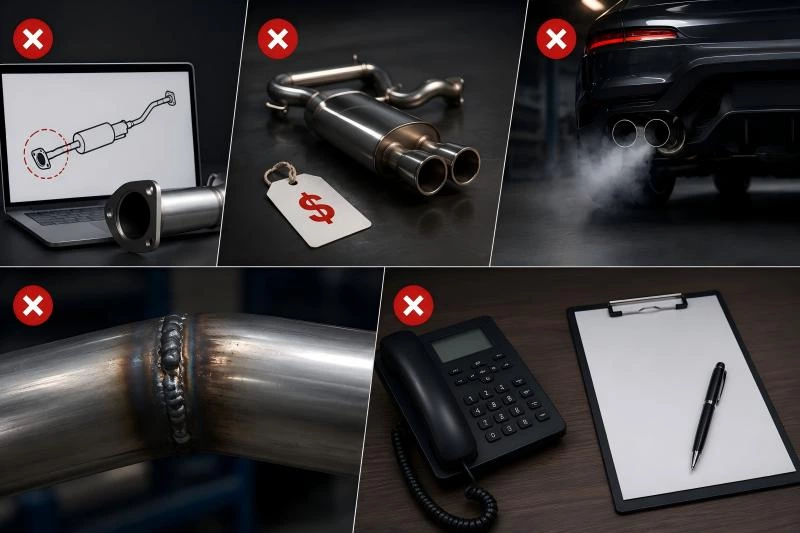
Many buyers focus only on price or appearance, but choosing the wrong exhaust system can result in poor fitment, reduced durability, or unnecessary installation costs.
- Choosing an exhaust system without confirming vehicle compatibility.
- Selecting the lowest-priced option without considering material quality.
- Focusing only on exhaust sound instead of overall performance.
- Ignoring manufacturing quality and welding standards.
- Buying from suppliers without technical support or OEM experience.
Taking a few extra minutes to verify specifications before purchasing can help avoid costly replacements or installation issues later.
Choose a Reliable Exhaust System Manufacturer
A reliable manufacturer offers more than finished products. They provide engineering support, consistent production quality, and the flexibility to meet different market requirements.
At AOSU Auto, we manufacture replacement and performance exhaust systems for passenger cars, SUVs, pickup trucks, and commercial vehicles. Our production capabilities include precision tube bending, automated welding, leak testing, and strict quality inspection to ensure reliable fitment and long service life.
We also provide OEM and ODM manufacturing services for customers worldwide, supporting multiple vehicle brands including Honda, Toyota, Ford, Nissan, Mitsubishi, and Isuzu.
Final Checklist Before Buying
Before placing an order, make sure you've confirmed the following:
- ✔ Vehicle make, model, and production year
- ✔ Engine type and drivetrain
- ✔ OEM replacement or performance application
- ✔ Suitable material for your driving environment
- ✔ Manufacturing quality and fitment accuracy
- ✔ Reliable supplier with technical support
Choosing the right exhaust system is not just about replacing worn components. It's about finding a solution that fits your vehicle, performs reliably, and delivers lasting value. By considering compatibility, material quality, manufacturing standards, and supplier experience, you can make a more confident purchasing decision.
FAQ
How do I know if an exhaust system fits my vehicle?
Check the vehicle make, model, production year, engine type, and drivetrain. These details help ensure the exhaust system is designed for your specific vehicle.
Which material is best for an exhaust system?
SUS304 stainless steel offers the best corrosion resistance and durability, while 409 stainless steel and aluminized steel are suitable for different budgets and applications.
Should I choose an OEM replacement or a performance exhaust?
OEM replacement systems are ideal for restoring factory performance, while performance exhaust systems are designed for improved airflow, sound, and appearance.
How long does an exhaust system typically last?
The service life depends on material quality, driving conditions, and climate. Stainless steel exhaust systems generally last longer than aluminized steel alternatives.
Can I install an exhaust system myself?
Some replacement systems are designed for direct installation, but professional installation is recommended to ensure proper alignment, sealing, and long-term reliability.