What Does an Exhaust System Do? Functions & Complete Guide
An exhaust system does much more than carry gases away from the engine. It helps remove combustion gases safely, reduces harmful emissions, controls exhaust noise, and maintains the airflow needed for efficient engine operation. From everyday passenger cars to high-performance and commercial vehicles, a properly designed exhaust system plays a critical role in vehicle reliability and driving performance.
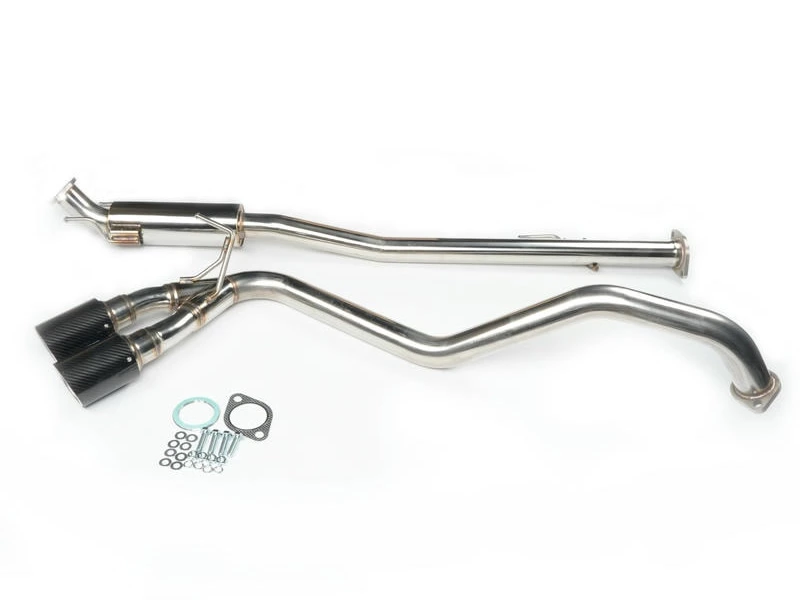
In this guide, we'll explain how an exhaust system works, what each component does, why exhaust flow matters, and how different exhaust designs affect performance, durability, and driving experience.
How Does an Exhaust System Work?
An exhaust system works by guiding combustion gases from the engine to the rear of the vehicle while treating emissions and controlling sound along the way. The process begins inside the engine cylinders, where fuel and air burn to create power. After combustion, exhaust valves open and hot gases leave the cylinders.
These gases first enter the exhaust manifold, which collects flow from each cylinder and directs it into the exhaust piping. From there, the gases pass through the catalytic converter, where harmful pollutants are reduced. The flow then continues through the resonator and muffler, where sound waves are tuned and controlled before the treated gases exit through the tailpipe.
| Stage | Component | What Happens |
|---|---|---|
| 1 | Engine | Fuel burns and produces high-temperature exhaust gases. |
| 2 | Exhaust Manifold | Gases from each cylinder are collected and directed into the exhaust system. |
| 3 | Catalytic Converter | Harmful pollutants are converted into less harmful emissions. |
| 4 | Resonator | Unwanted sound frequencies are reduced or refined. |
| 5 | Muffler | Exhaust noise is reduced while maintaining proper airflow. |
| 6 | Tailpipe | Treated gases are released safely away from the vehicle body and cabin. |
When each part is properly designed, the exhaust system allows gases to move smoothly with controlled pressure and minimal restriction. This helps the engine breathe better, supports stable combustion, and keeps the vehicle operating safely and efficiently.
Engineering Insight
In exhaust development, smooth gas movement is more important than simply making the pipe larger. If the pipe diameter is too small, back pressure increases. If it is too large, exhaust gas velocity may drop, which can affect low-speed torque. A well-designed exhaust system balances pipe diameter, flow speed, sound control, and vehicle-specific installation space.
Main Parts of an Exhaust System
Although exhaust system layouts vary between compact cars, SUVs, pickup trucks, and commercial vehicles, most systems are built around the same core components. Each part has a specific role, and the overall result depends on how accurately these components are designed and manufactured.
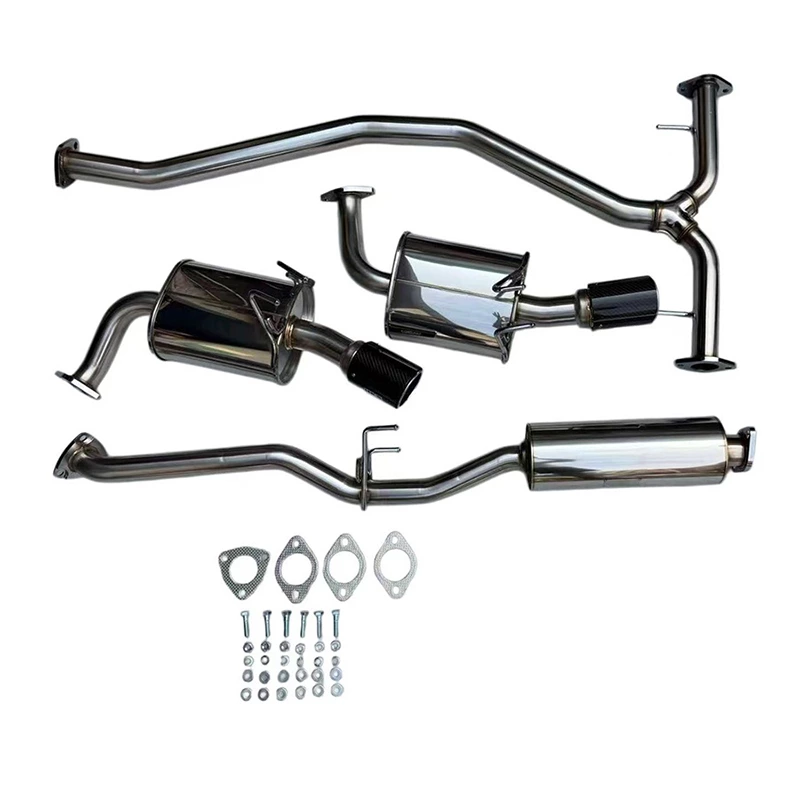
| Component | Main Function | Why It Matters |
|---|---|---|
| Exhaust Manifold | Collects gases from engine cylinders. | Supports efficient gas evacuation and stable engine operation. |
| Catalytic Converter | Reduces harmful emissions. | Helps the vehicle meet emission requirements. |
| Oxygen Sensor | Monitors oxygen content in exhaust gases. | Helps the ECU adjust the air-fuel mixture. |
| Resonator | Tunes exhaust sound frequency. | Reduces harsh tones and improves sound quality. |
| Muffler | Controls exhaust noise. | Balances sound level, comfort, and airflow. |
| Exhaust Pipes | Carry gases through the system. | Pipe diameter, bends, and welding quality affect flow and durability. |
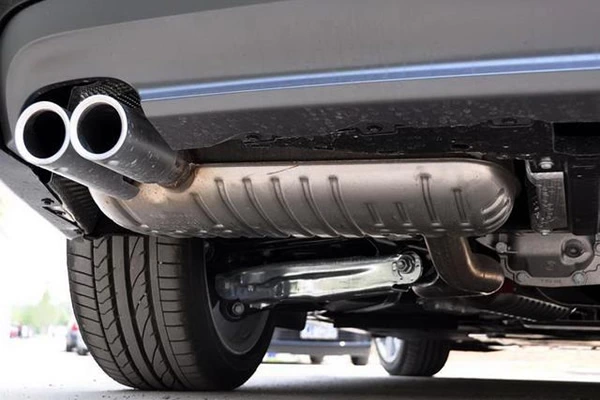
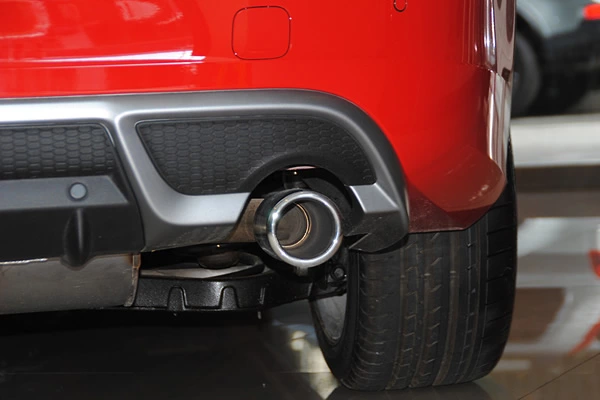
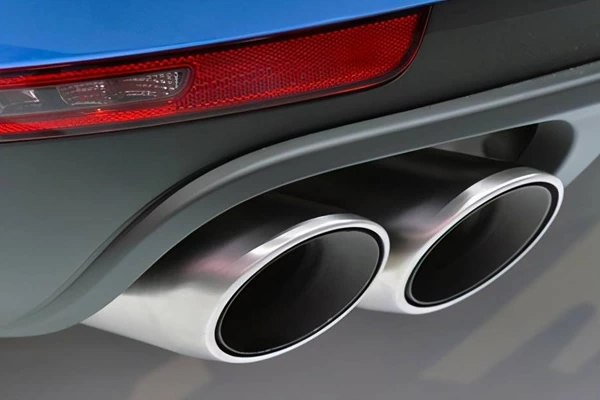
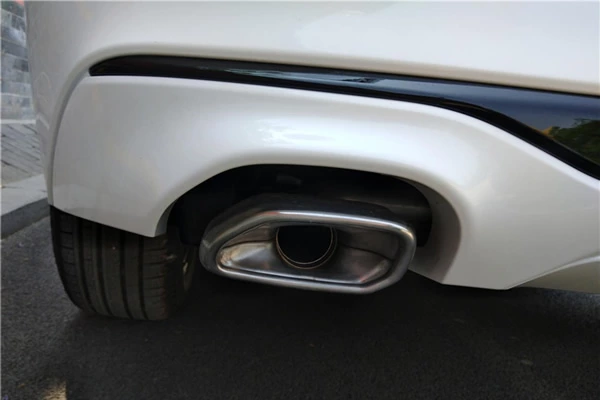
| Tailpipe | Releases gases from the vehicle. | Directs exhaust safely away from the body and passenger cabin. |
The exhaust manifold and catalytic converter are closely related to engine efficiency and emission control. The resonator and muffler mainly affect sound quality and comfort. Exhaust pipes connect all major components, but they are not simple tubes. Pipe routing, bend radius, wall thickness, welding accuracy, and material quality all influence performance and service life.
For example, a poorly formed bend can restrict airflow, while weak welding may lead to leakage under heat and vibration. In manufacturing, consistent tube bending and reliable weld quality are essential for producing exhaust systems with accurate fitment and long-term durability.
What Does an Exhaust System Actually Do?
The main purpose of an exhaust system is to move exhaust gases away from the engine. However, its real value goes far beyond gas removal. A modern exhaust system affects performance, emissions, sound, safety, and durability at the same time.
1. Removes Exhaust Gases from the Engine
After combustion, exhaust gases must leave the cylinders quickly so the next air-fuel mixture can enter. If the gases cannot escape efficiently, pressure builds inside the engine and combustion efficiency drops.
A properly designed exhaust system creates a controlled pathway for these gases. This helps the engine complete each combustion cycle smoothly and reduces unnecessary thermal stress.
2. Improves Engine Performance
Efficient exhaust flow helps the engine breathe more effectively. When gases leave the cylinders with less restriction, the engine can respond faster and deliver power more smoothly.
This does not mean the lowest possible back pressure is always best. The system must maintain the correct balance between flow capacity and gas velocity. This balance is especially important for performance exhaust systems, where pipe diameter, muffler design, and bend quality directly affect throttle response and power delivery.
3. Reduces Harmful Emissions
Modern vehicles rely on the exhaust system to reduce harmful emissions before gases leave the tailpipe. The catalytic converter helps convert pollutants into less harmful substances, while oxygen sensors provide feedback to the engine control unit.
Together, these components help maintain cleaner combustion, support emission compliance, and improve overall engine management.
4. Controls Exhaust Sound
Many drivers think the muffler simply makes a vehicle quieter. In reality, exhaust sound is shaped by the entire system, including pipe length, resonator design, muffler structure, and outlet layout.
OEM exhaust systems usually focus on comfort and low cabin noise. Performance exhaust systems may create a deeper and sportier sound while still avoiding excessive harshness. Good sound control requires both acoustic design and precise manufacturing.
5. Protects the Engine and Vehicle Body
Exhaust gases are extremely hot. If they are not directed away correctly, they can damage nearby parts such as wiring, sensors, hoses, underbody panels, and mounting components.
A reliable exhaust system helps manage heat direction, reduce vibration, and prevent leakage. This is especially important for vehicles used in high-temperature climates, long-distance driving, towing, off-road use, or commercial applications.
Engineering Insight
One common mistake in exhaust upgrades is focusing only on sound. A loud exhaust is not always a better exhaust. For long-term performance, the system must also maintain proper fitment, control vibration, resist corrosion, and preserve smooth airflow under real driving conditions.
Why Exhaust Flow Matters to Performance
Exhaust flow plays a bigger role in engine performance than many drivers realize. A good exhaust system is not simply about larger pipes or a louder sound. It must balance exhaust gas velocity, back pressure, and airflow.
When exhaust gases leave the engine smoothly, fresh air and fuel can enter the cylinders more efficiently. This helps improve combustion, throttle response, and power delivery.
If the pipe is too narrow, exhaust gases cannot escape efficiently. If the pipe is too large, gas velocity may drop, which can reduce low-speed torque. A well-designed exhaust system matches pipe diameter, engine displacement, vehicle layout, and driving conditions.
Common Exhaust System Problems
An exhaust system works under heat, vibration, moisture, and road debris. Over time, these conditions can lead to corrosion, leakage, cracks, or loose components.
| Problem | Possible Cause | Common Result |
|---|---|---|
| Louder exhaust noise | Damaged muffler or exhaust leak | Higher noise and reduced comfort |
| Rattling sound | Loose heat shield or broken hanger | Underbody vibration |
| Reduced performance | Blocked catalytic converter or restricted flow | Slow acceleration and power loss |
| Exhaust odor | Cracked pipe or leaking joint | Possible gases entering the cabin |
| Visible rust | Moisture, road salt, or poor material quality | Weak structure and leakage risk |
| Check Engine Light | Faulty oxygen sensor or catalytic converter issue | Emission-related fault |
Ignoring these problems can affect engine efficiency, emission performance, and driving safety. Replacing damaged parts with accurately manufactured exhaust components helps restore reliability and performance.
OEM vs Performance Exhaust Systems
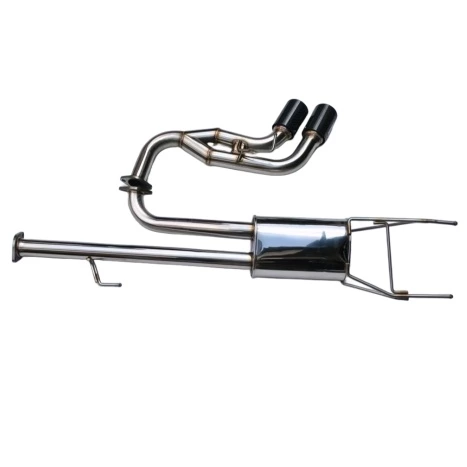
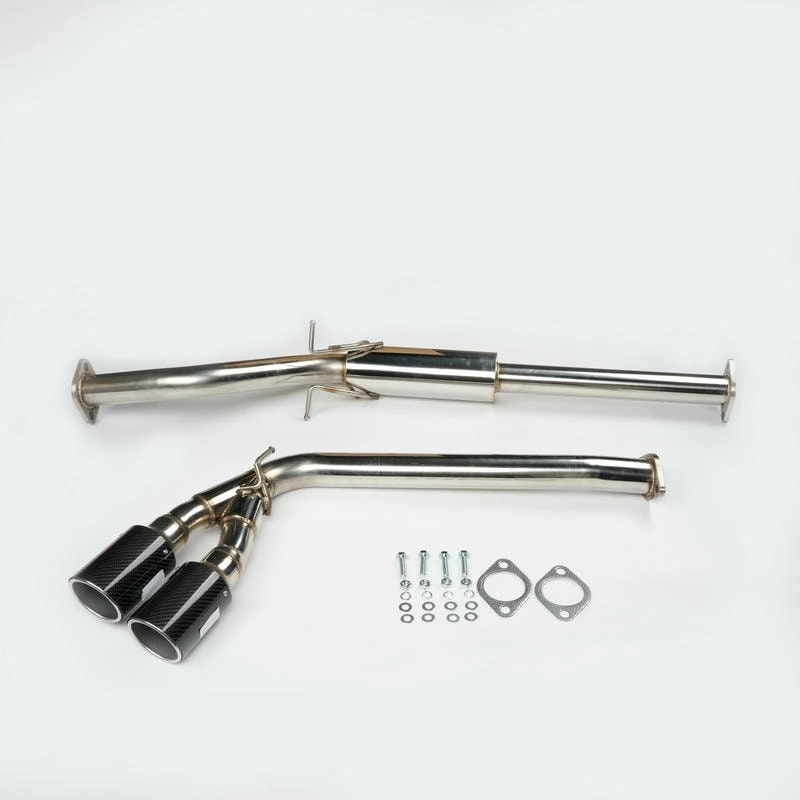
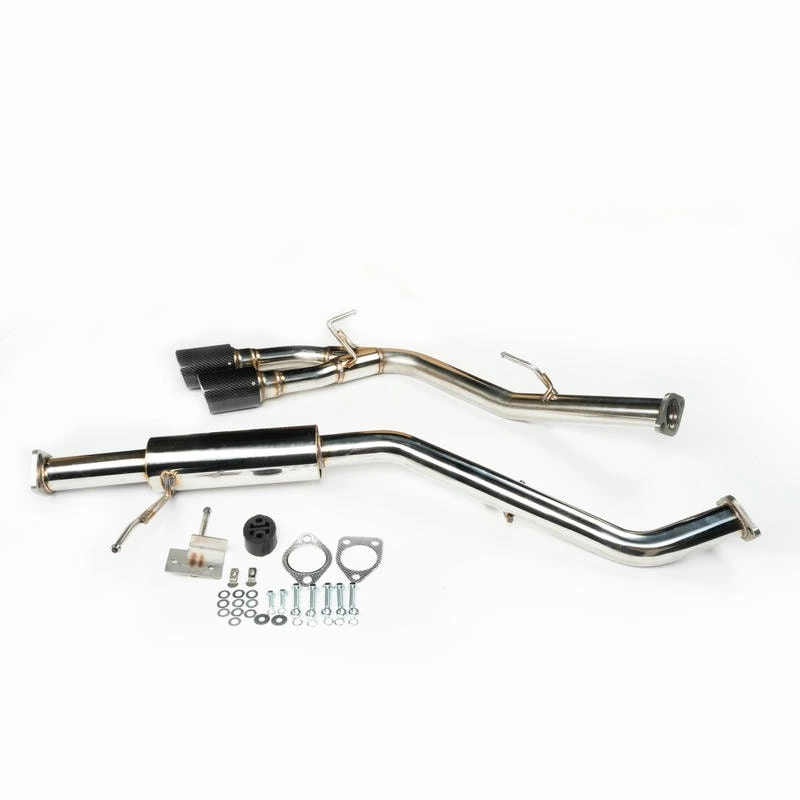
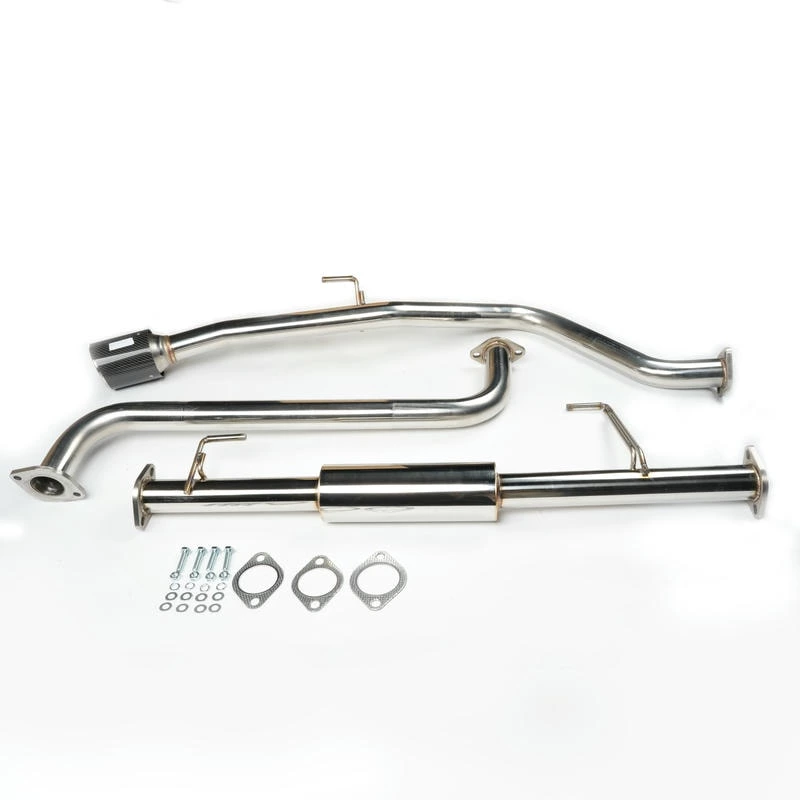
OEM and performance exhaust systems serve different needs. OEM exhaust systems focus on factory fitment, quiet operation, durability, and daily driving comfort. Performance exhaust systems focus more on airflow, sound, weight reduction, and driving response.
| OEM Exhaust | Performance Exhaust |
|---|---|
| Factory specifications | Optimized airflow |
| Quiet operation | Sportier exhaust tone |
| Direct replacement | Performance-oriented design |
| Daily driving | Performance upgrades |
| Standard material options | Often uses SUS304 stainless steel |
Choosing the right system depends on the vehicle, market demand, and intended use. AOSU Auto manufactures OEM replacement and performance exhaust systems for popular brands including Honda, Toyota, Ford, Nissan, Mitsubishi, and Isuzu.
Why Global Buyers Choose AOSU Auto
Reliable exhaust manufacturing requires more than good materials. Tube bending accuracy, welding quality, fitment control, and inspection standards all affect durability and installation performance.
AOSU Auto provides OEM and ODM exhaust manufacturing for global distributors, wholesalers, and automotive brands. Our production capabilities support stainless steel exhaust systems, replacement exhaust pipes, mufflers, and customized performance exhaust solutions.
- OEM and ODM manufacturing services
- SUS304 stainless steel options
- Precision CNC tube bending
- Stable welding processes
- Dimensional and quality inspection
- Support for cars, SUVs, pickups, and commercial vehicles
Whether you need standard replacement exhaust systems or customized performance solutions, AOSU Auto can support stable supply and vehicle-specific development for global markets.
Need an OEM Exhaust Manufacturing Partner?
Contact AOSU Auto to discuss OEM replacement exhaust systems, performance exhaust projects, or custom manufacturing requirements.
Frequently Asked Questions
Does a performance exhaust increase horsepower?
A properly engineered performance exhaust system can improve airflow and throttle response. The actual gain depends on engine design and supporting modifications.
Can an exhaust system improve fuel efficiency?
An efficient exhaust system helps the engine breathe more effectively, which may support better fuel economy under certain driving conditions.
How long does an exhaust system last?
Service life depends on material quality, climate, and driving conditions. Stainless steel exhaust systems usually offer better corrosion resistance and longer durability.
What material is best for an exhaust system?
SUS304 stainless steel is widely used for premium exhaust systems because it offers strong corrosion resistance, heat resistance, and long service life.
Should I choose an OEM or performance exhaust system?
OEM systems are suitable for direct replacement and daily driving, while performance exhaust systems are designed for improved airflow, sound, and driving experience.