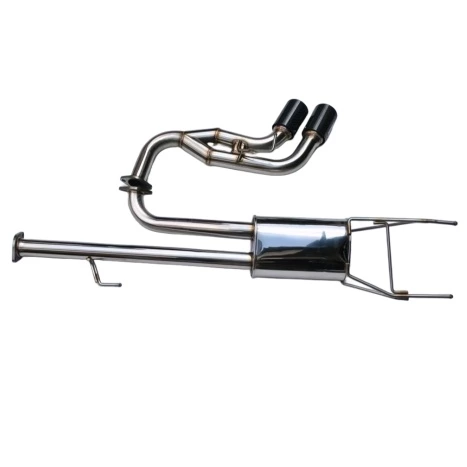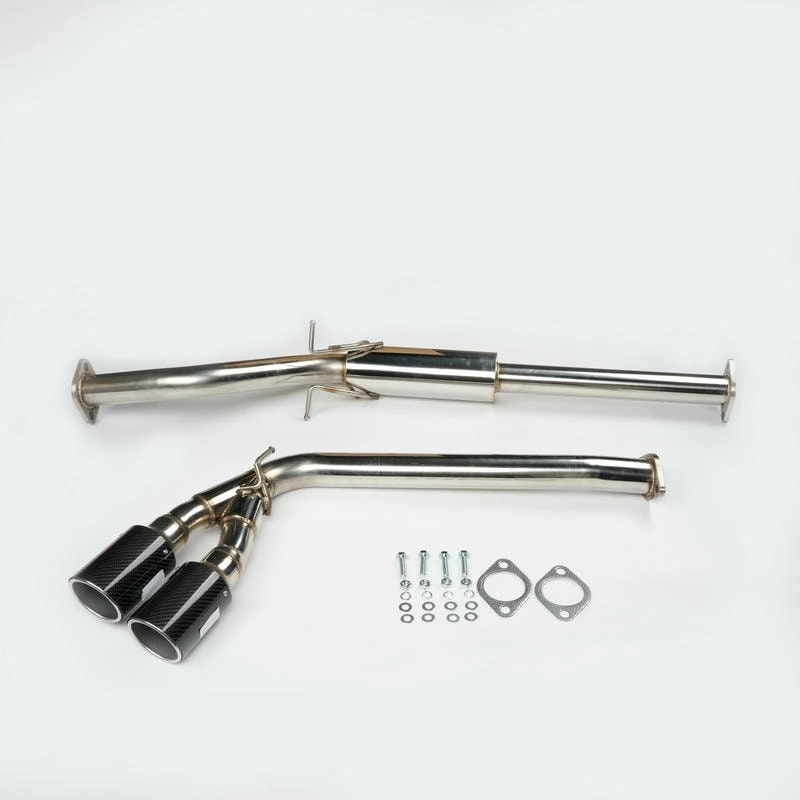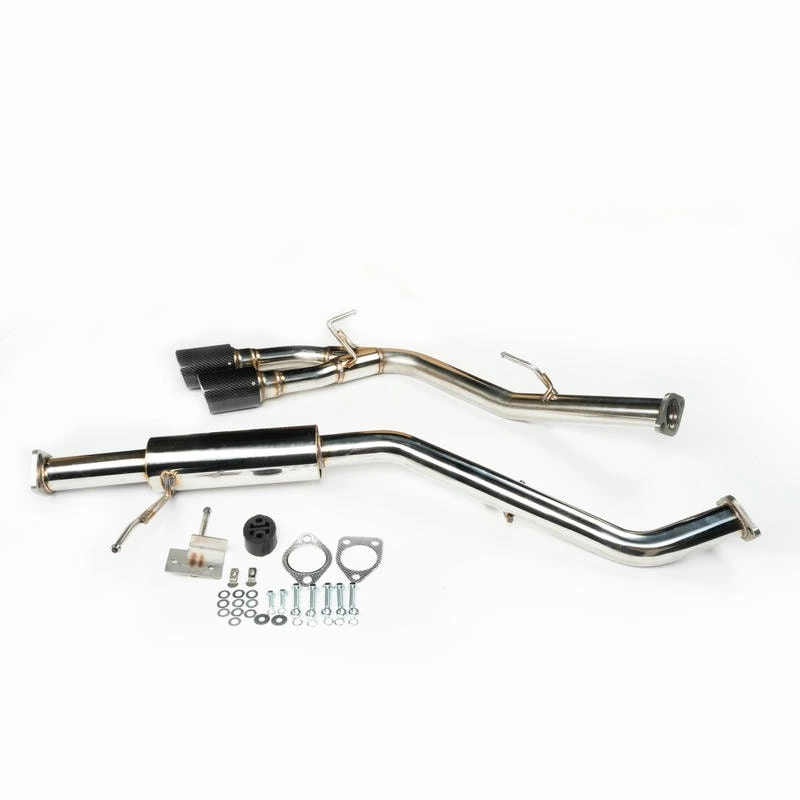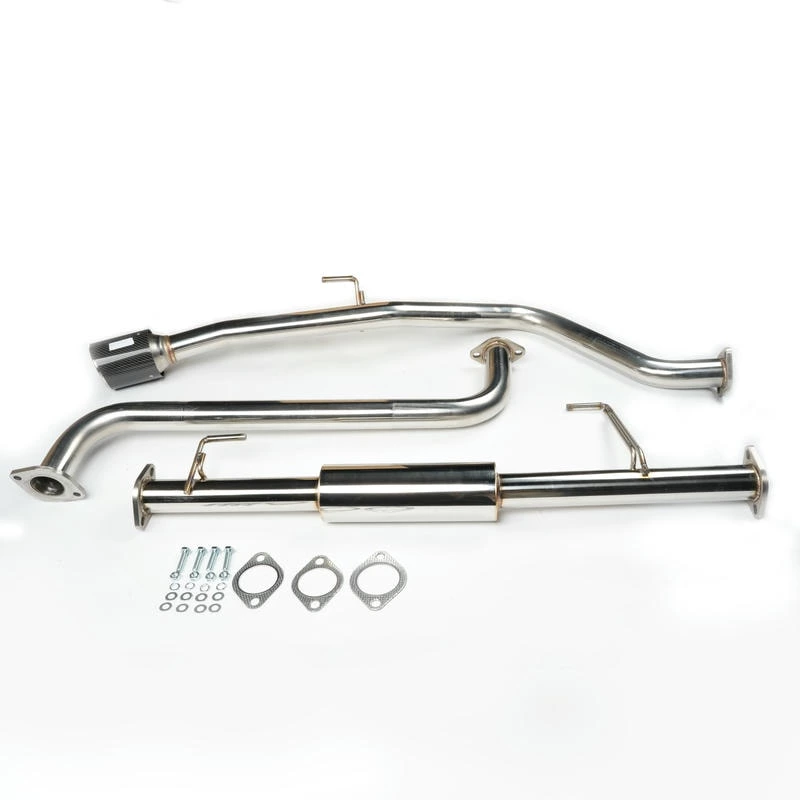
Honda Civic Exhaust System Guide: Types, Sound & Performance
The Honda Civic is available across different generations, engine configurations, and performance levels, so there is no single exhaust setup that works equally well for every model. A daily-driven Civic may prioritize quiet operation and durability, while a performance-oriented model may require different exhaust flow characteristics, pipe dimensions, and sound control.
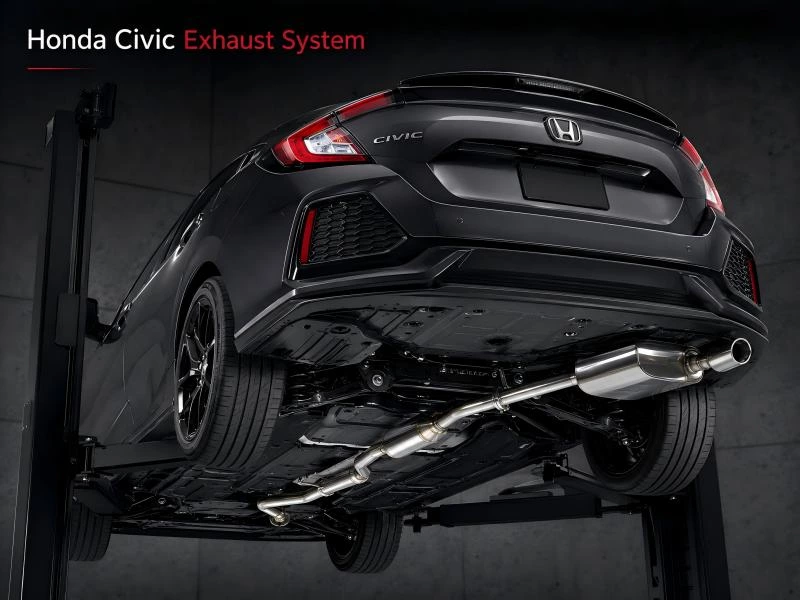
A Honda Civic exhaust system does more than carry exhaust gases away from the engine. The design of the exhaust pipes, muffler, resonator, and other components can influence airflow, sound characteristics, fitment, and overall driving performance.
When choosing or replacing a Honda Civic exhaust, it is important to consider the complete system rather than focusing only on a louder sound or larger pipe diameter. The vehicle model, engine configuration, intended use, material, and exhaust layout should all be evaluated together.
How Does a Honda Civic Exhaust System Work?
A Honda Civic exhaust system directs gases produced during combustion through several components before releasing them from the rear of the vehicle. Although the exact layout varies by model year and engine configuration, the basic exhaust path follows the same principle.
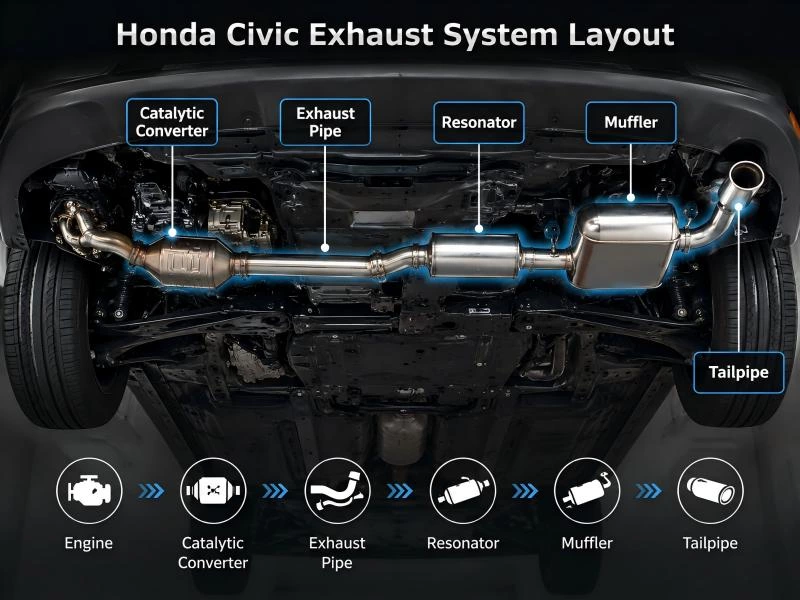
Engine → Exhaust Manifold → Catalytic Converter → Exhaust Pipe → Muffler → Tailpipe
Exhaust gases first leave the engine through the exhaust manifold and then pass through the catalytic converter, where harmful emissions are reduced. The gases continue through the exhaust piping before reaching the muffler and finally exiting through the tailpipe.
Each component has a different role. The exhaust pipe provides the flow path between sections, while the muffler helps control exhaust noise and tone. The catalytic converter manages emissions, and the overall pipe layout must fit correctly within the available space underneath the vehicle.
Because these components work as a complete system, changing one section can affect sound, exhaust flow, installation, and other operating characteristics. For a broader explanation, see our guide on how an automotive exhaust system works.
Main Types of Honda Civic Exhaust Systems
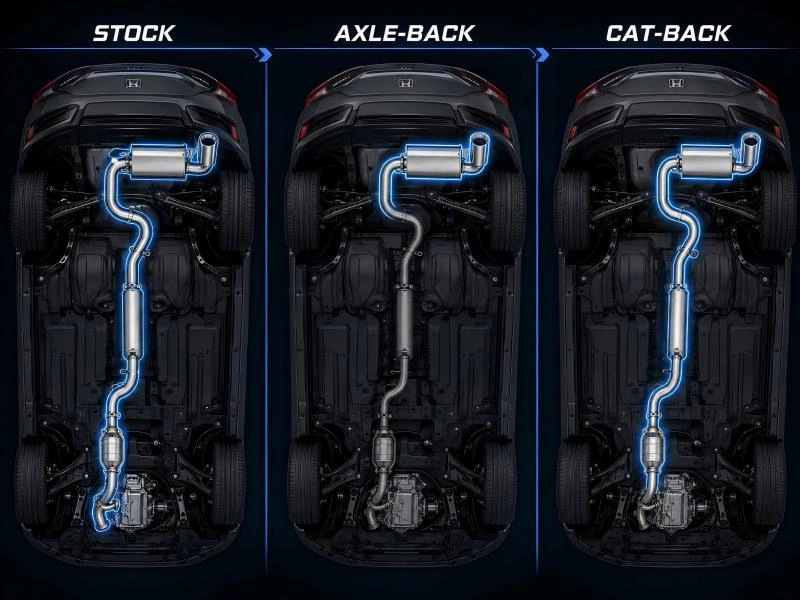
When replacing or upgrading a Honda Civic exhaust, one of the first decisions is how much of the original system needs to be changed. Stock, axle-back, cat-back, and full exhaust configurations serve different purposes and can produce noticeably different results.
Stock Exhaust System
The factory Honda Civic exhaust is designed around the original engine configuration, emissions requirements, cabin comfort, installation space, and expected driving conditions. For daily driving, the stock system generally provides a balance between exhaust flow and controlled noise.
Full Exhaust System
A full exhaust system replaces a larger portion of the original exhaust path and is generally considered for vehicles with specific performance requirements or substantial engine modifications.
For these applications, pipe diameter, routing, emissions-related components, installation space, and engine requirements need to be evaluated together rather than selecting individual parts independently.
Axle-Back Exhaust
An axle-back setup changes components toward the rear of the vehicle, typically including the muffler and tailpipe section. It is commonly selected when the main goal is to change exhaust tone or appearance without replacing a large portion of the original system.
Cat-Back Exhaust
A cat-back exhaust replaces the section located after the catalytic converter. Depending on the design, it may include intermediate piping, a resonator, muffler, and tailpipe.
Because more of the exhaust flow path is changed, a cat-back system provides greater flexibility in pipe diameter, routing, muffler design, and sound characteristics than an axle-back configuration.
Stock Exhaust System
The factory Honda Civic exhaust is designed around the original engine configuration, emissions requirements, cabin comfort, installation space, and expected driving conditions. For daily driving, the stock system generally provides a balance between exhaust flow and controlled noise.
| Exhaust Type | Main Change | Sound Change | Flow Potential | Typical Use |
|---|---|---|---|---|
| Stock | Original system | Low | Standard | Daily driving |
| Axle-Back | Rear exhaust section | Moderate | Limited change | Sound and appearance |
| Cat-Back | Piping after catalytic converter | Moderate to high | Greater | Street and performance use |
| Full System | Most of the exhaust path | Varies by design | Highest design flexibility | Modified and performance applications |
How Exhaust Design Changes Honda Civic Sound
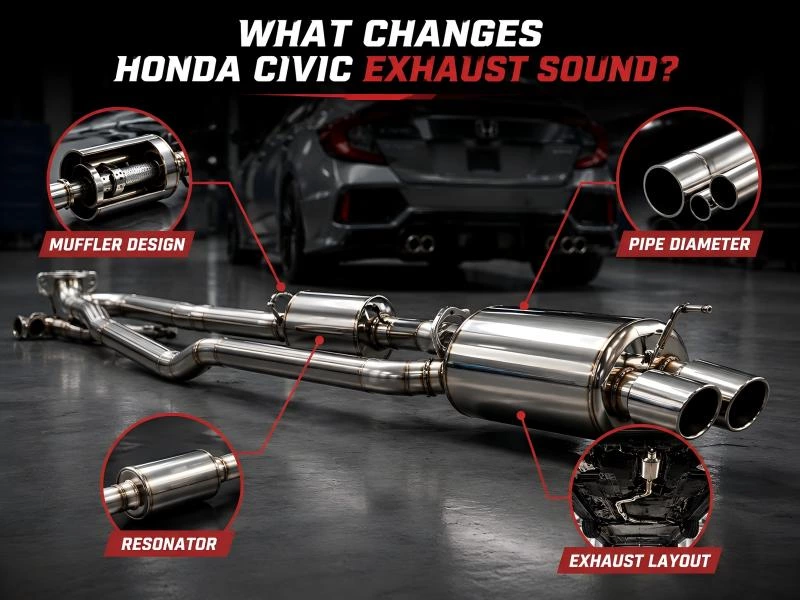
The sound of a Honda Civic exhaust system is determined by more than the muffler alone. Pipe diameter, resonator design, exhaust routing, and the amount of sound-control material used throughout the system can all change the volume, tone, and amount of cabin drone.
For this reason, two exhaust systems installed on similar Civic models can sound very different even when they use the same basic pipe layout.
Muffler Design Affects Volume and Tone
The muffler is one of the most important components for controlling exhaust sound. Internal chambers, perforated tubes, packing materials, and overall muffler dimensions influence how different sound frequencies are reduced or allowed to pass through.
A less restrictive design may produce a deeper and more noticeable exhaust tone, while a system designed for daily driving generally places greater emphasis on keeping sound levels comfortable at cruising speeds. Different rear muffler designs can therefore be used to achieve different sound and application requirements.
Pipe Diameter Influences Exhaust Tone
Exhaust pipe diameter affects both gas flow and sound characteristics. Increasing the diameter changes the way exhaust gases move through the system and can contribute to a deeper exhaust note, but choosing a larger pipe does not automatically produce better performance or better sound.
A diameter that is too large for the engine and application may reduce exhaust velocity, while an undersized pipe can create unnecessary restriction. The pipe size should therefore match the engine configuration and intended use of the vehicle. Our exhaust pipe diameter guide explains these factors in more detail.
Resonators Help Control Unwanted Frequencies
A resonator is designed to target specific sound frequencies before the exhaust gases reach the muffler. It can help reduce harsh tones and cabin drone without making the entire exhaust system excessively quiet.
For a daily-driven Honda Civic, maintaining the right balance between a sportier exhaust note and comfortable highway driving is often more important than simply maximizing volume.
Exhaust Routing and System Layout Also Matter
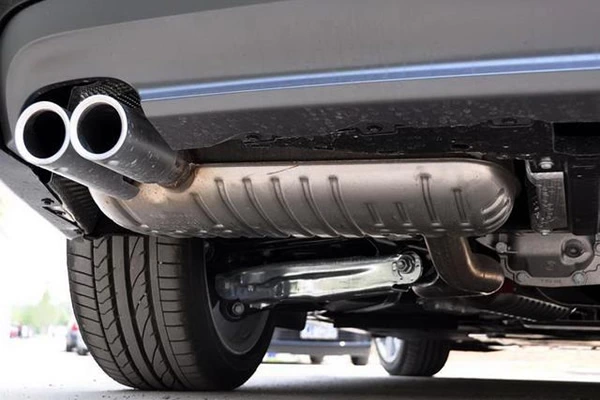
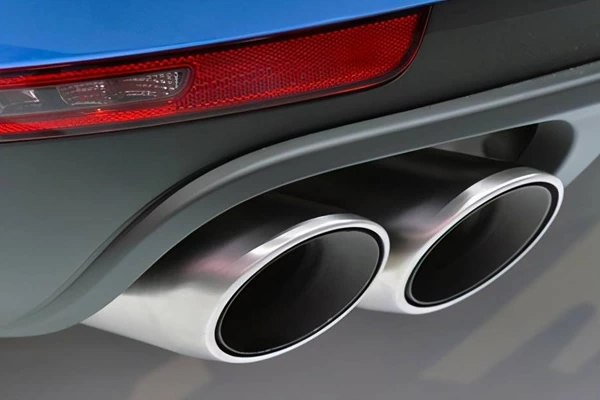
Pipe length, bends, outlet configuration, and the position of the muffler and resonator can all influence exhaust sound. A single-exit system may produce different acoustic characteristics from a dual-outlet design, while changes in pipe routing can affect how sound frequencies travel through the system.
Engine configuration also plays an important role. Naturally aspirated and turbocharged Honda Civic engines produce different exhaust pulses and airflow characteristics, so the same exhaust design may not create the same sound on every Civic model.
A louder Honda Civic exhaust does not necessarily mean better performance. A well-designed system should balance exhaust flow, sound quality, pipe dimensions, and the actual requirements of the engine.
How a Honda Civic Exhaust System Affects Performance
A well-designed Honda Civic exhaust system can improve the way exhaust gases move away from the engine, but performance depends on how well the complete system matches the engine and vehicle application. Simply installing larger pipes or removing restrictions does not guarantee better results.
Exhaust Flow and Restriction
As exhaust gases leave the engine, unnecessary restrictions can make it harder for the system to move gas efficiently. Pipe bends, internal diameter, muffler construction, and other components all contribute to the overall flow characteristics of the exhaust system.
Reducing excessive restriction can support more efficient exhaust flow, particularly on engines that require greater airflow. However, the exhaust still needs to maintain suitable gas velocity, which is why system design should be matched to the actual engine rather than focused only on maximum flow.
Pipe Diameter Needs to Match the Engine
Exhaust pipe diameter has a major influence on system performance. A pipe that is too small can restrict exhaust flow as engine output increases, while an excessively large pipe may reduce gas velocity and provide little benefit on an otherwise standard engine.
The appropriate size depends on factors such as engine displacement, power output, turbocharging, and the intended use of the vehicle. For most applications, the goal is to achieve a practical balance between exhaust flow and velocity rather than simply using the largest available pipe.
Naturally Aspirated and Turbocharged Civics Have Different Requirements
Naturally aspirated Honda Civic engines generally require an exhaust system that maintains good gas velocity while providing sufficient flow for the engine's output. Oversizing the piping on a lightly modified engine may offer limited performance benefit.
Turbocharged Civic engines can have different exhaust flow requirements because exhaust gases also pass through the turbocharger. Higher-output or modified turbo applications may benefit from increased downstream flow capacity, but pipe size and system layout still need to match the engine setup.
The Complete System Matters
Performance should not be evaluated by one exhaust component alone. Pipe diameter, bends, catalytic converter design, resonator, muffler, and tailpipe routing all influence how the system behaves.
A properly matched system considers these components together to achieve suitable flow, sound, durability, and vehicle fitment. For customized applications, AOSU provides Honda exhaust solutions developed around different vehicle and installation requirements.
Honda Civic Exhaust Pipe Size: Is Bigger Always Better?
One of the most common questions when choosing a Honda Civic exhaust is whether a larger pipe diameter will improve performance. In practice, bigger is not always better. The correct exhaust pipe size depends on the engine, power level, modifications, and intended driving conditions.
A standard daily-driven Civic usually has very different airflow requirements from a turbocharged or heavily modified performance model. Choosing the diameter without considering these differences can result in an exhaust system that is unnecessarily large or too restrictive.
What Determines the Right Exhaust Pipe Size?
Several factors should be considered when selecting a Honda Civic exhaust pipe diameter:
- Engine displacement: Larger or higher-output engines generally require greater exhaust flow capacity.
- Turbocharged or naturally aspirated engine: Different engine configurations create different exhaust flow requirements.
- Power level: Increased engine output usually produces a greater volume of exhaust gas.
- Engine modifications: Intake, turbo, tuning, and other upgrades can change exhaust requirements.
- Exhaust configuration: Axle-back, cat-back, and full exhaust systems involve different sections of the exhaust path.
- Vehicle use: Daily driving and performance applications may require different balances between flow, sound, and response.
The correct diameter should therefore be selected around the specific Civic application rather than following a universal pipe size. For a more detailed explanation of diameter and exhaust flow, see our exhaust pipe diameter guide.
The best Honda Civic exhaust pipe size is not necessarily the largest one. A properly selected diameter should provide sufficient flow while maintaining suitable exhaust velocity for the engine and application.
Stainless Steel Exhaust Systems for Honda Civic
Material selection is another important factor when choosing a Honda Civic exhaust system. Exhaust components are constantly exposed to high temperatures, moisture, road debris, and corrosive substances, so the material needs to provide reliable performance under changing driving conditions.
Stainless steel is widely used for exhaust pipes because it offers a good combination of corrosion resistance, heat resistance, structural strength, and service life. These characteristics make it suitable for both replacement exhaust systems and performance-oriented Honda Civic applications.
Why Stainless Steel Is Commonly Used
Compared with conventional mild steel, stainless steel provides better resistance to rust and corrosion, especially in environments where the exhaust system is frequently exposed to rain, road salt, condensation, or humidity.
It also maintains good durability under repeated heating and cooling cycles. Since exhaust pipes experience significant temperature changes during normal vehicle operation, material stability is important for maintaining reliable joints, bends, and pipe structures over time.
304 and Other Stainless Steel Grades
Different stainless steel grades can be used depending on cost, corrosion resistance, manufacturing requirements, and application conditions. 304 stainless steel is commonly selected for higher corrosion resistance and appearance, while other grades may be used where a different balance between durability and production cost is required.
Material grade should therefore be selected according to the intended vehicle application rather than assuming one stainless steel specification is suitable for every exhaust system.
For more information about material selection, corrosion resistance, and common stainless steel grades, see our guide to stainless steel exhaust pipe benefits.
Choosing an Exhaust System for Different Honda Civic Applications
The right Honda Civic exhaust depends heavily on how the vehicle is used. A system designed for comfortable daily transportation may require a different balance of pipe diameter, sound control, and flow compared with one developed for a modified or performance-oriented Civic.
Daily Driving
For a daily-driven Honda Civic, comfort and durability are usually more important than maximum exhaust volume. A well-balanced system should provide reliable exhaust flow while keeping cabin drone and cruising noise at a comfortable level.
Corrosion-resistant materials and accurate vehicle fitment are also important because daily-use vehicles are expected to operate reliably across different weather and road conditions.
Street Performance
Street performance applications often aim for a more noticeable exhaust tone while improving exhaust flow without making the vehicle uncomfortable for normal driving.
A suitable cat-back system, properly selected pipe diameter, and appropriate muffler and resonator combination can help achieve a balance between sound, flow, and everyday usability.
Modified or Turbocharged Applications
Honda Civic models with turbocharger upgrades, engine tuning, intake modifications, or increased power output may require greater exhaust flow capacity than a standard vehicle.
For these applications, pipe size and exhaust routing should be selected according to the actual engine output and modification level. Increasing pipe diameter without considering the complete engine setup may not provide the expected result.
Replacement Exhaust Applications
When replacing a damaged or corroded exhaust component, performance upgrades may not be the primary objective. Correct dimensions, mounting locations, pipe routing, flange positions, and compatibility with surrounding components become more important.
Vehicle-specific manufacturing helps ensure that replacement exhaust pipes fit the intended Honda Civic application without requiring unnecessary modification during installation.
What to Consider Before Choosing a Honda Civic Exhaust
Before selecting a new exhaust system or replacement pipe, it is important to identify the actual requirements of the vehicle. Honda Civic models vary considerably by generation, engine, body style, and market, so exhaust components should be selected according to the specific application.
Honda Civic Model and Model Year
Different Civic generations may use different exhaust routing, connection points, mounting brackets, pipe lengths, and component layouts. Confirming the model and production year helps reduce fitment problems.
Engine Configuration
Engine displacement, turbocharging, and power output affect exhaust gas volume and flow requirements. An exhaust system suitable for one Civic engine may not be appropriate for another.
Desired Exhaust Sound
Some drivers prefer an exhaust system close to the factory sound level, while others want a deeper or sportier tone. Muffler design, resonator configuration, pipe diameter, and overall system layout should be selected according to the desired sound rather than volume alone.
Pipe Diameter and Material
Pipe size should match the engine and application, while the material should provide the required balance of durability, corrosion resistance, and cost. Stainless steel is often selected where longer service life and improved corrosion resistance are priorities.
Fitment and Manufacturing Accuracy
Correct bends, flange positions, hanger locations, and pipe dimensions are essential for installation. Poor fitment can create clearance problems, unnecessary stress on joints, or difficulty connecting the exhaust to existing vehicle components.
AOSU provides Honda exhaust solutions for different vehicle applications, with support for exhaust pipe dimensions, structures, materials, and OEM requirements based on specific project needs.