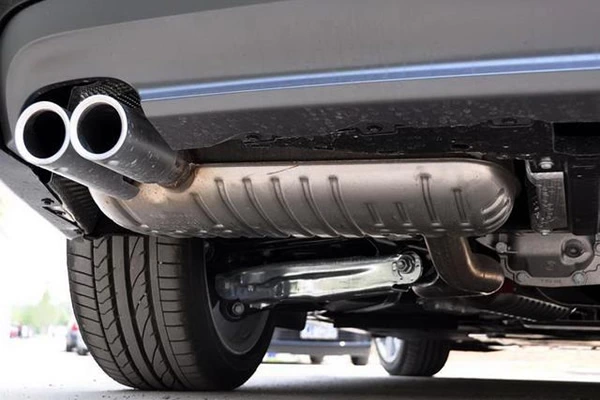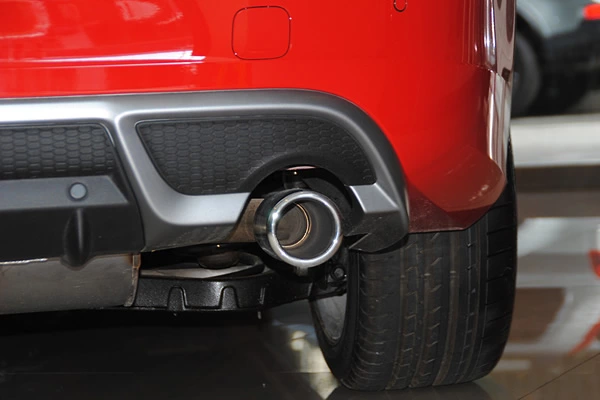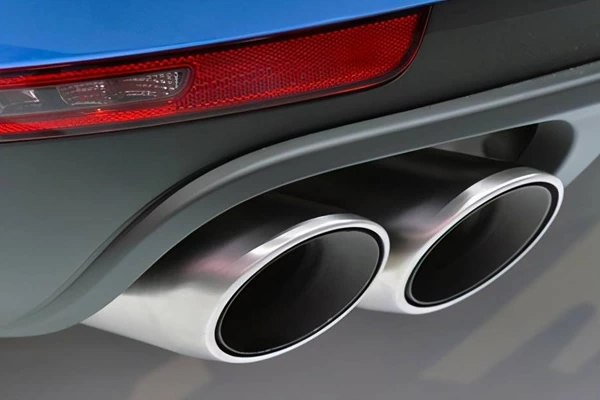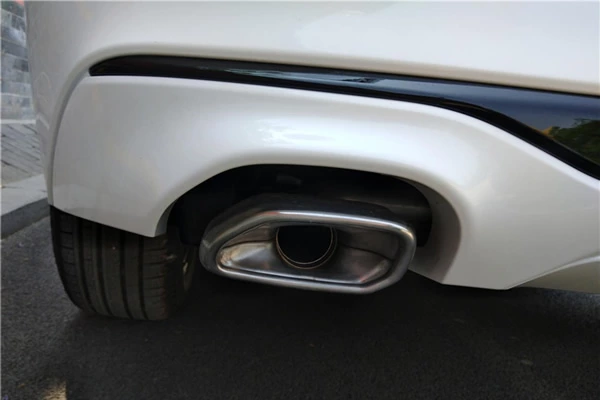
Stainless Steel Exhaust Pipe: Benefits and Applications
Introduction: Why Stainless Steel Is Used for Exhaust Pipes
Automotive exhaust pipes operate in one of the most demanding environments of a vehicle. During operation, exhaust components are continuously exposed to high temperatures, moisture, vibration, and corrosive substances produced during combustion.
The material selection of an exhaust pipe directly affects its durability, corrosion resistance, and long-term performance. Among different material options, stainless steel exhaust pipes are widely used in automotive applications because they provide a reliable balance between strength, heat resistance, and service life.
Unlike standard steel pipes that may be more vulnerable to rust and environmental damage, stainless steel exhaust pipes can maintain better structural stability under challenging operating conditions. This makes them suitable for passenger vehicles, performance applications, and various OEM exhaust projects.
However, material selection is only one part of exhaust system design. Factors such as pipe diameter, vehicle structure, and installation requirements also influence overall exhaust performance. For applications requiring customized dimensions and configurations, custom exhaust pipe solutions can be developed based on specific vehicle requirements.
What Is a Stainless Steel Exhaust Pipe?
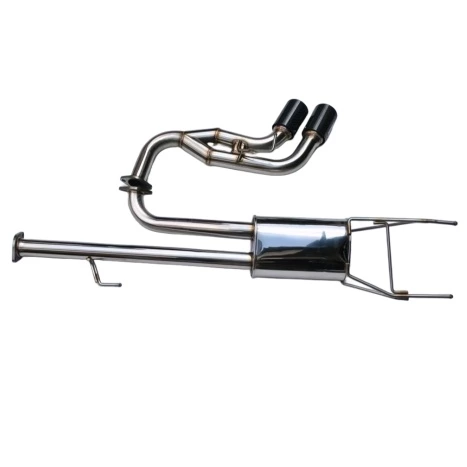
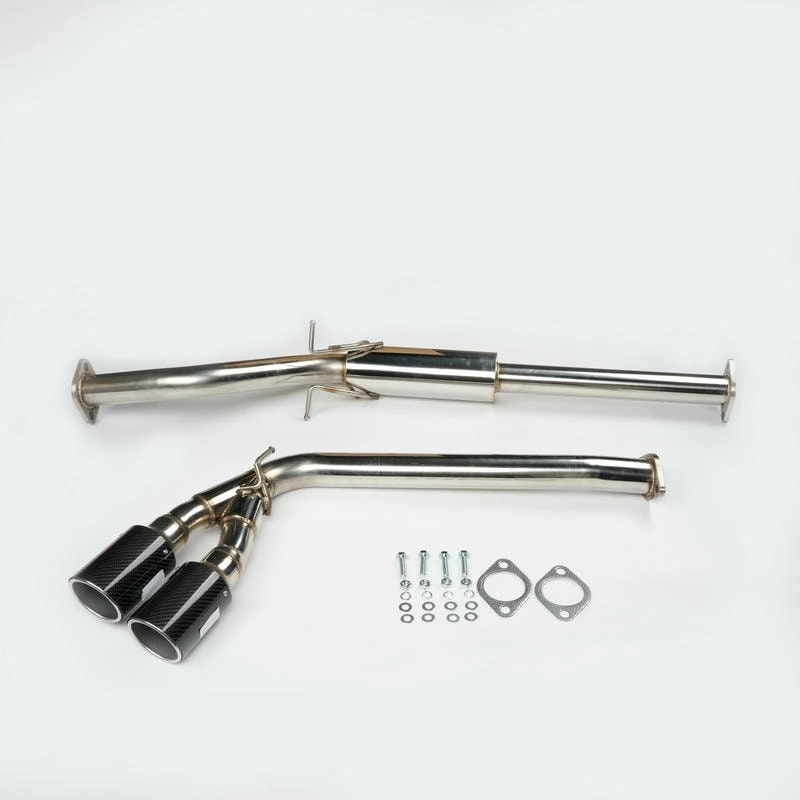
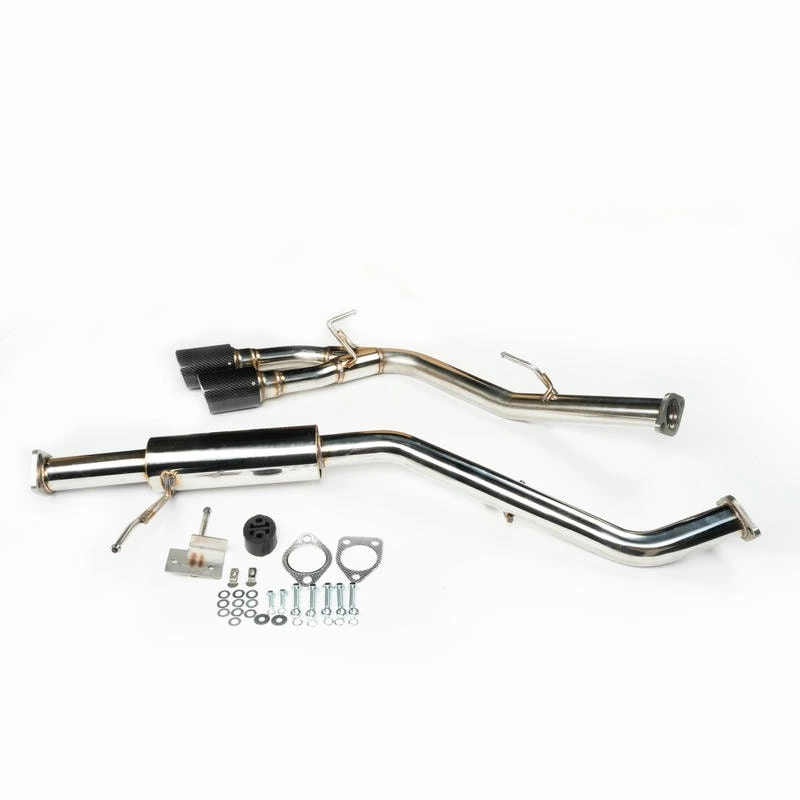
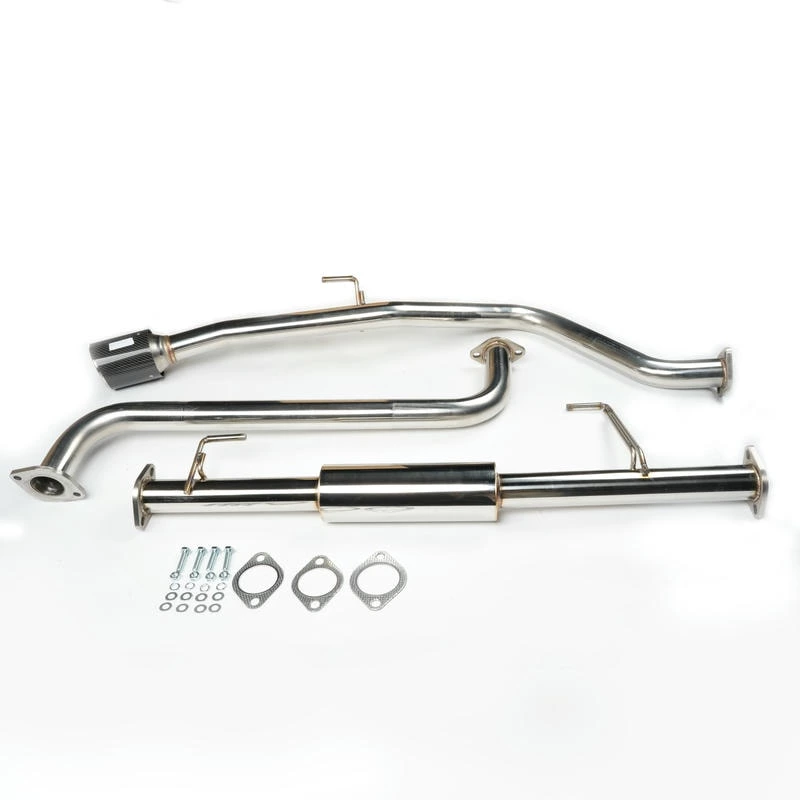
A stainless steel exhaust pipe is an exhaust component manufactured from stainless steel materials to transport exhaust gases from the engine through the exhaust system and release them safely outside the vehicle.
The exhaust pipe plays an important role in maintaining efficient exhaust flow between different components. Its design affects factors such as gas movement, installation compatibility, and system reliability.
In a complete automotive exhaust system, the exhaust pipe works together with other components, including exhaust manifolds, catalytic converters, and mufflers. Each component must be properly matched to achieve stable performance and effective exhaust control.
For example, exhaust pipe diameter selection can influence exhaust gas velocity and flow capacity. A properly designed pipe helps maintain the balance required for different vehicle applications. You can also learn more about this topic in our guide on how to choose the right exhaust pipe diameter.
Key Benefits of Stainless Steel Exhaust Pipes
The material used for an exhaust pipe directly affects its ability to withstand heat, corrosion, and long-term operating conditions. For automotive applications, stainless steel has become a preferred choice because it provides reliable performance in environments where exhaust components experience continuous thermal and mechanical stress.
Compared with conventional materials, stainless steel exhaust pipes offer advantages in durability, resistance to environmental factors, and overall service life. These characteristics make them suitable for various automotive applications, including passenger vehicles, performance vehicles, and OEM exhaust projects.
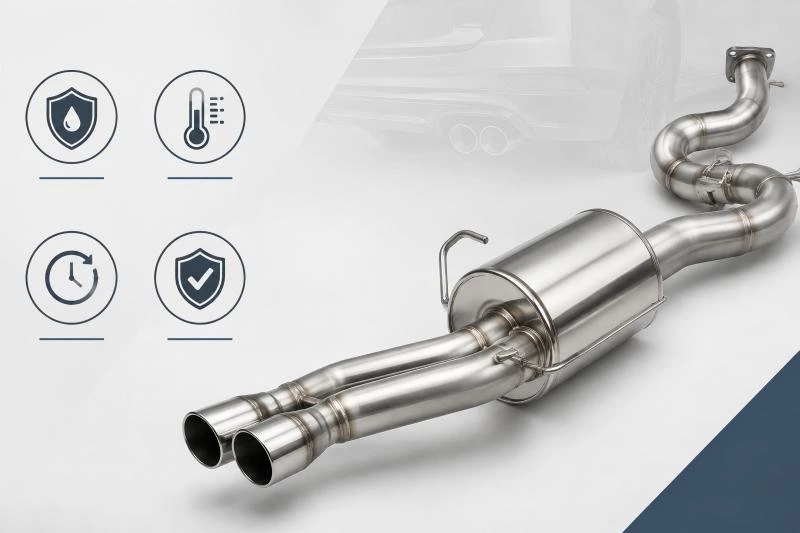
Excellent Corrosion Resistance
Corrosion resistance is one of the most important advantages of stainless steel exhaust pipes. During vehicle operation, exhaust components are exposed to moisture, road salt, condensation, and chemical substances that can accelerate material degradation.
Stainless steel helps reduce corrosion-related issues by providing better protection against environmental exposure. This is especially important for vehicles operating in regions with high humidity, frequent rainfall, or winter road conditions where salt and moisture can affect exhaust system durability.
By improving resistance to rust and surface deterioration, stainless steel exhaust pipes can maintain structural integrity for a longer period and reduce the need for frequent replacement.
High Temperature Resistance
Exhaust systems operate under significant temperature changes, from cold starts to high-load driving conditions. The exhaust pipe material needs to maintain stable performance while exposed to repeated heating and cooling cycles.
Stainless steel provides good heat resistance and helps maintain the strength and shape stability of exhaust components under high-temperature environments. This makes it suitable for applications where reliable exhaust performance is required over extended operating periods.
Proper material selection combined with suitable exhaust design helps ensure that exhaust components can handle thermal stress while maintaining consistent performance.
Long-Term Reliability and Service Life
Durability is a key consideration when selecting exhaust pipe materials. A high-quality exhaust pipe needs to withstand vibration, temperature changes, and environmental exposure throughout the vehicle's service life.
Stainless steel exhaust pipes provide long-term reliability by combining corrosion resistance with structural strength. This makes them a practical solution for applications that require stable performance and reduced maintenance requirements.
For different vehicle platforms, durability also depends on factors such as pipe design, diameter selection, and manufacturing accuracy. A complete solution requires the right combination of material, structure, and application requirements.
Main Advantages of Stainless Steel Exhaust Pipes
- Strong resistance against corrosion and environmental exposure
- Stable performance under high-temperature conditions
- Longer service life compared with many standard materials
- Suitable for different automotive exhaust applications
For automotive projects requiring customized specifications, stainless steel exhaust pipe designs can be adjusted according to vehicle requirements, installation conditions, and performance targets. Explore more about custom exhaust pipe solutions for different applications.
Stainless Steel Exhaust Pipe vs Mild Steel Exhaust Pipe
When selecting an exhaust pipe material, stainless steel and mild steel are two commonly considered options. Both materials can be used for automotive exhaust applications, but they offer different characteristics in terms of corrosion resistance, durability, temperature performance, and overall service life.
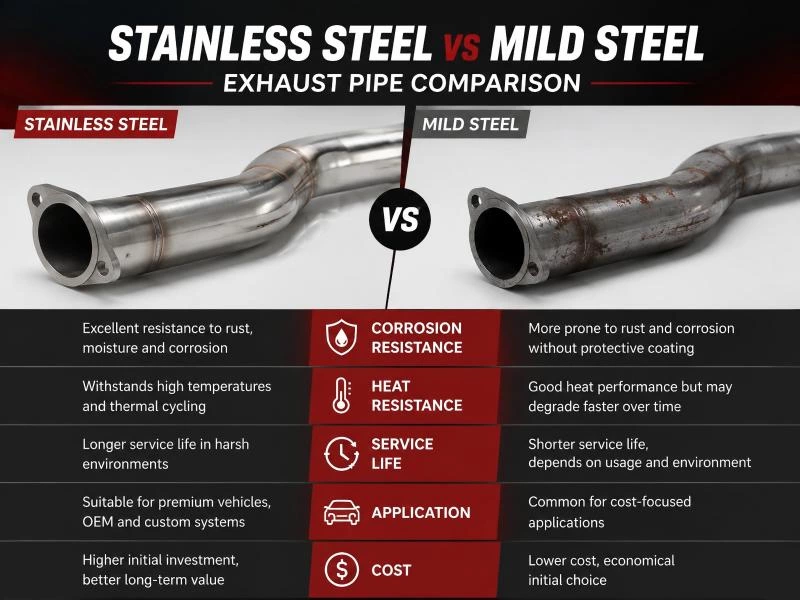
The right choice depends on vehicle requirements, operating environment, performance expectations, and budget considerations. Understanding the differences between stainless steel exhaust pipes and mild steel exhaust pipes helps ensure the selected material matches the intended application.
| Feature | Stainless Steel Exhaust Pipe | Mild Steel Exhaust Pipe |
|---|---|---|
| Corrosion Resistance | Excellent resistance to rust and environmental exposure | More susceptible to corrosion without additional protection |
| Heat Resistance | Maintains stability under high-temperature exhaust conditions | Suitable for general applications but has lower resistance to harsh environments |
| Service Life | Generally provides longer durability under demanding conditions | May require more frequent maintenance or replacement |
| Application | Premium vehicles, OEM applications, and long-term use requirements | Cost-focused applications and standard replacement needs |
Stainless Steel Exhaust Pipe: Better Durability for Long-Term Applications
Stainless steel exhaust pipes are widely selected for applications where durability and corrosion resistance are important. The material performs well in environments exposed to moisture, temperature changes, and long-term vehicle operation.
For OEM and customized automotive projects, stainless steel provides advantages in maintaining consistent appearance, structural reliability, and resistance against environmental damage.
When combined with proper pipe design and manufacturing processes, stainless steel exhaust pipes can provide stable performance throughout the vehicle lifecycle. For different vehicle requirements, custom exhaust pipe solutions can be developed with suitable materials, dimensions, and configurations.
Mild Steel Exhaust Pipe: A Cost-Effective Option
Mild steel exhaust pipes are often selected for applications where cost efficiency is a primary consideration. They can provide reliable performance in standard operating environments when proper protection and maintenance are applied.
However, mild steel generally has lower corrosion resistance compared with stainless steel, especially when exposed to moisture, road salt, and harsh weather conditions over extended periods.
How to Choose the Right Exhaust Pipe Material
The best exhaust pipe material depends on the specific application rather than a single material being suitable for every vehicle. Key factors to consider include:
- Vehicle operating environment
- Expected service life requirements
- Temperature and corrosion exposure
- Project budget and performance targets
For applications requiring higher durability and corrosion resistance, stainless steel exhaust pipes are often a preferred choice. For standard applications where cost efficiency is the main priority, mild steel may still be a practical option.
Common Stainless Steel Grades for Exhaust Pipes
Different stainless steel grades can be used for exhaust pipe applications depending on performance requirements, operating conditions, and cost considerations. The selection of material affects corrosion resistance, heat performance, durability, and overall exhaust system reliability.
Among automotive exhaust applications, 304 stainless steel and 409 stainless steel are two commonly used materials. Each grade offers different advantages for specific vehicle requirements and operating environments.
304 Stainless Steel Exhaust Pipe
304 stainless steel exhaust pipes are widely recognized for their excellent corrosion resistance and durability. The material provides strong protection against moisture, oxidation, and environmental exposure, making it suitable for applications where long-term reliability is important.
The advantages of 304 stainless steel exhaust pipes include:
- Excellent corrosion resistance in demanding environments
- Good resistance to high-temperature operating conditions
- Stable appearance and surface quality over long-term use
- Suitable for premium automotive and customized exhaust applications
Because of its durability and corrosion resistance, 304 stainless steel is often selected for exhaust systems where service life and reliability are key considerations.
409 Stainless Steel Exhaust Pipe
409 stainless steel is another material commonly used in automotive exhaust systems. It provides good heat resistance and durability while offering a more cost-effective solution for high-volume automotive applications.
Compared with 304 stainless steel, 409 stainless steel is typically selected when manufacturers need a balance between performance requirements and production costs.
Typical advantages of 409 stainless steel include:
- Good resistance to exhaust system heat cycles
- Suitable for automotive mass-production applications
- Cost-effective material option for specific vehicle requirements
How to Select the Right Stainless Steel Material for Exhaust Pipes
Choosing the right stainless steel grade depends on several factors, including vehicle usage, operating environment, expected service life, and project requirements.
For applications requiring maximum corrosion resistance and long-term durability, 304 stainless steel exhaust pipes are often preferred. For applications where cost efficiency and production volume are important, 409 stainless steel can provide a practical alternative.
In addition to material grade, exhaust pipe performance also depends on design factors such as pipe diameter, bending accuracy, and installation compatibility. A complete exhaust solution requires coordination between material selection and overall system design.
For customized automotive projects, stainless steel exhaust pipe solutions can be developed according to vehicle specifications, material requirements, and application conditions.
Applications of Stainless Steel Exhaust Pipes
Stainless steel exhaust pipes are used in a wide range of automotive applications where durability, corrosion resistance, and stable performance are required. Different vehicle types and operating conditions may have different requirements for exhaust pipe materials, dimensions, and system design.
From passenger vehicles to performance applications and OEM projects, stainless steel exhaust pipes provide a reliable solution for applications that require long-term service performance under demanding conditions.
Passenger Vehicle Applications
Passenger vehicles require exhaust systems that can provide reliable operation, noise control, and durability throughout daily driving conditions. Stainless steel exhaust pipes are commonly used in these applications because they can better withstand moisture, temperature changes, and environmental exposure.
For daily-use vehicles, exhaust pipe design needs to consider factors such as vehicle structure, available installation space, exhaust flow requirements, and long-term reliability.
Performance Vehicle Applications
Performance vehicles often place higher demands on exhaust system design due to increased exhaust flow requirements and higher operating temperatures.
Stainless steel exhaust pipes are suitable for performance applications because they provide strong heat resistance and maintain structural stability under demanding driving conditions.
In these applications, exhaust pipe diameter, routing design, and material selection need to work together to achieve the required balance between airflow efficiency and system performance.
OEM Automotive Exhaust Applications
For OEM automotive projects, exhaust pipe selection involves more than choosing a suitable material. Vehicle manufacturers and automotive suppliers need to consider fitment accuracy, production consistency, durability requirements, and compatibility with the complete exhaust system.
Stainless steel exhaust pipes are often selected for OEM applications where long-term reliability and stable quality are important. Proper design and manufacturing processes help ensure that exhaust components meet specific vehicle requirements.
For different vehicle platforms and project requirements, custom stainless steel exhaust pipe solutions can be developed with suitable dimensions, materials, and configurations.
Replacement and Aftermarket Applications
Stainless steel exhaust pipes are also widely used in replacement and aftermarket applications. Compared with standard exhaust components, stainless steel options can provide improved durability and better resistance to corrosion in various driving environments.
When replacing or upgrading exhaust components, factors such as vehicle compatibility, pipe dimensions, installation requirements, and operating conditions should be considered to ensure proper performance.
Common Applications of Stainless Steel Exhaust Pipes
- Passenger vehicles and daily driving applications
- Performance and modified vehicle applications
- OEM automotive exhaust projects
- Replacement and aftermarket exhaust systems
Stainless Steel Exhaust Pipe Design Considerations
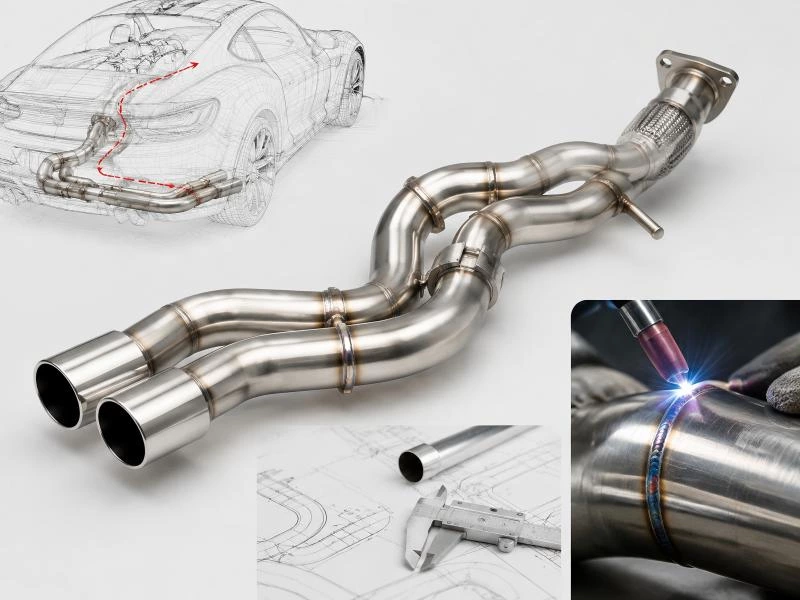
Selecting the right stainless steel material is an important step in exhaust pipe development, but material choice alone does not determine overall performance. A well-designed exhaust pipe also requires consideration of dimensions, routing, manufacturing accuracy, and vehicle compatibility.
For automotive applications, exhaust pipe design needs to balance airflow requirements, installation limitations, durability expectations, and production consistency. These factors work together to ensure reliable performance throughout the vehicle's service life.
Exhaust Pipe Diameter Selection
Exhaust pipe diameter is one of the key factors affecting exhaust flow performance. The correct diameter helps maintain a balance between exhaust gas velocity and flow capacity according to engine output and vehicle requirements.
An undersized exhaust pipe may create unnecessary flow restrictions, while an oversized pipe may reduce exhaust gas velocity under certain operating conditions. Therefore, diameter selection should be based on engine specifications, vehicle application, and the complete exhaust system design.
For more details about pipe sizing principles, refer to our guide on how to choose the right exhaust pipe diameter.
Exhaust Pipe Bending and Routing Design
Automotive exhaust pipes often require complex bending designs to fit different vehicle structures. Proper pipe routing helps ensure correct installation while maintaining efficient exhaust flow and sufficient clearance from surrounding components.
During exhaust pipe development, engineers need to consider:
- Vehicle chassis layout and available installation space
- Pipe bending angles and dimensional accuracy
- Clearance from heat-sensitive components
- Connection points with other exhaust components
Accurate bending design is especially important for OEM applications, where consistent dimensions are required across different production batches.
Welding Quality and Manufacturing Consistency
Welding quality directly affects the durability and reliability of stainless steel exhaust pipes. Poor welding processes may create weak points that can impact sealing performance and long-term service life.
For automotive exhaust applications, consistent welding quality helps maintain structural strength while allowing exhaust components to withstand vibration, temperature changes, and continuous operation.
Vehicle Fitment and Application Requirements
A successful exhaust pipe design must match the specific vehicle platform and application requirements. Even when the material and diameter are suitable, incorrect dimensions or poor fitment can affect installation efficiency and system performance.
OEM and customized exhaust pipe projects typically require evaluation of:
- Vehicle model and engine configuration
- Exhaust system layout
- Mounting position and connection design
- Operating environment and durability requirements
By combining suitable stainless steel materials with accurate design and manufacturing processes, exhaust pipes can achieve reliable fitment, stable performance, and long-term durability for different automotive applications.
Frequently Asked Questions About Stainless Steel Exhaust Pipes
Is stainless steel good for exhaust pipes?
Yes. Stainless steel is a popular material for automotive exhaust pipes because it provides excellent corrosion resistance, good heat resistance, and long-term durability under demanding operating conditions.
Compared with many standard exhaust pipe materials, stainless steel can better withstand moisture, temperature changes, and environmental exposure, making it suitable for various automotive applications.
What are the advantages of 304 stainless steel exhaust pipes?
304 stainless steel exhaust pipes are known for their excellent corrosion resistance and durability. They are commonly selected for applications where long service life, stable performance, and resistance to harsh environments are important.
The material is often used in premium automotive applications and customized exhaust projects that require higher durability and reliable performance.
How long do stainless steel exhaust pipes last?
The service life of a stainless steel exhaust pipe depends on factors such as material grade, vehicle operating environment, driving conditions, and overall exhaust system design.
With proper material selection and manufacturing quality, stainless steel exhaust pipes can provide long-term performance and improved resistance against corrosion compared with many conventional materials.
Are stainless steel exhaust pipes better than mild steel exhaust pipes?
Stainless steel exhaust pipes generally provide better corrosion resistance and longer durability, making them suitable for applications where service life and reliability are important.
However, the best material depends on the specific vehicle requirements, operating environment, and project objectives. Mild steel can still be a practical option for applications where cost efficiency is the main consideration.
Can stainless steel exhaust pipes be customized?
Yes. Stainless steel exhaust pipes can be customized according to vehicle models, installation requirements, pipe dimensions, material specifications, and application conditions.
For OEM and aftermarket projects, custom stainless steel exhaust pipe solutions can help meet different vehicle requirements while maintaining consistent quality and reliable performance.
Does exhaust pipe diameter affect stainless steel exhaust performance?
Yes. Material selection and pipe diameter both influence exhaust system performance. Stainless steel provides durability and corrosion resistance, while the correct pipe diameter helps maintain proper exhaust flow characteristics.
A complete exhaust pipe design requires consideration of both material properties and system requirements to achieve balanced performance.
Choosing the Right Stainless Steel Exhaust Pipe Solution
Selecting the right exhaust pipe material is an important decision for achieving reliable vehicle performance and long-term durability. Stainless steel exhaust pipes are widely used in automotive applications because they provide a strong balance of corrosion resistance, heat resistance, and structural reliability.
However, material selection is only one part of a complete exhaust pipe solution. Factors such as pipe diameter, vehicle application, routing design, and manufacturing accuracy also influence the final performance of an exhaust system.
For different automotive requirements, choosing the appropriate combination of material, design, and production capability helps ensure proper fitment, stable operation, and extended service life.
AOSU provides stainless steel exhaust pipe solutions for different vehicle applications, supporting customized requirements including pipe dimensions, material specifications, and exhaust system configurations.
Whether for OEM projects, replacement applications, or customized exhaust systems, selecting the right stainless steel exhaust pipe design can help achieve a reliable and durable exhaust solution.
Key Points to Consider
- Select materials based on operating environment and durability requirements
- Match exhaust pipe diameter with vehicle and engine requirements
- Consider complete exhaust system design rather than individual components
- Choose reliable production quality for consistent performance
If you have specific vehicle requirements or customized exhaust pipe needs, please contact AOSU for professional support.